

Thinking of Moving to the Countryside? 14 Things We Wish We Knew First
Our Journey from City to the Countryside
The truth is, we live in a hectic world. We’re constantly encouraged to work, stay productive, and keep moving all day long. Add to that the news cycle and the endless stream of trends bombarding us on social media, and it’s no wonder that losing your damn mind feels like a given.
These days, we glorify productivity at all costs—even if that cost is quality sleep. We romanticize being busy: working nonstop or being a parent who somehow still manages to “do it all.” We’re always rushing somewhere, getting easily irritated with time, feeling like there’s never enough of it. And when we finally sit down to read a fantasy book, watch a movie, or do a hobby that’s not considered “productive,” guilt creeps in.
Does any of this sound familiar? It certainly does to me. I spent years watching how society sculpted and shaped our lives to fit a certain mold—one that often sacrifices both our health and our sanity.
Things started to shift for me during the pandemic (yeah, that was a big thing—remember?). My perspective on happiness and the world around me began to change. It didn’t happen overnight, but spending so many weeks—and even months—at home offered a new lens through which to see life.
Slowly, I realized I no longer wanted to rush through mornings, to-do lists, or even meals. Day by day, I came to understand that happiness and fulfillment often come from enjoying life—both the small and the big moments. I began to crave that cozy feeling: the warmth that comes from doing hobbies or work you love, and from living with intention.
In this article, I’ll share what the cozy living mindset really means, why it matters, and how you can gently welcome it into your life—even if everything feels a bit too fast right now.
If you are interested in reading more from my moving to the countryside series, consider subscribing to my email list. This way, you’ll get notified whenever I post something you may enjoy.
I know there are many country living pros and cons, and people are usually divided into two categories. Some have a romanticized vision of rural lifestyle, where you imagine yourself wearing a flowery dress, walking into your beautiful garden, and picking vegetables for lunch. This is often the image social media portrays.
On the other hand, there are those who see moving from city to countryside as total isolation: the absence of healthcare in rural areas, fewer friends and services, and a lot of hard physical work.
I’m here to tell you that both versions are true to some degree. It mostly depends on how you want to build your countryside lifestyle.
Before you move to the countryside, read this article. I’m here to share the things we wish we knew about real rural living.
Here’s what we wish we’d known before making the leap, so you can start prepared and avoid our mistakes.

Just to let you know… This post (probably) contains affiliate links, including Amazon Associates links, and I may receive a small commission when you click on the links. This is at no extra cost to you and allows me to keep running this website. How cool is that?! I only recommend products I would use myself and all opinions expressed here are my own.
Table of Contents
Rural Life Isn’t Always the Instagram Dream
The Reality vs. the Fantasy (daily chores, smells, sounds, insects, wildlife)
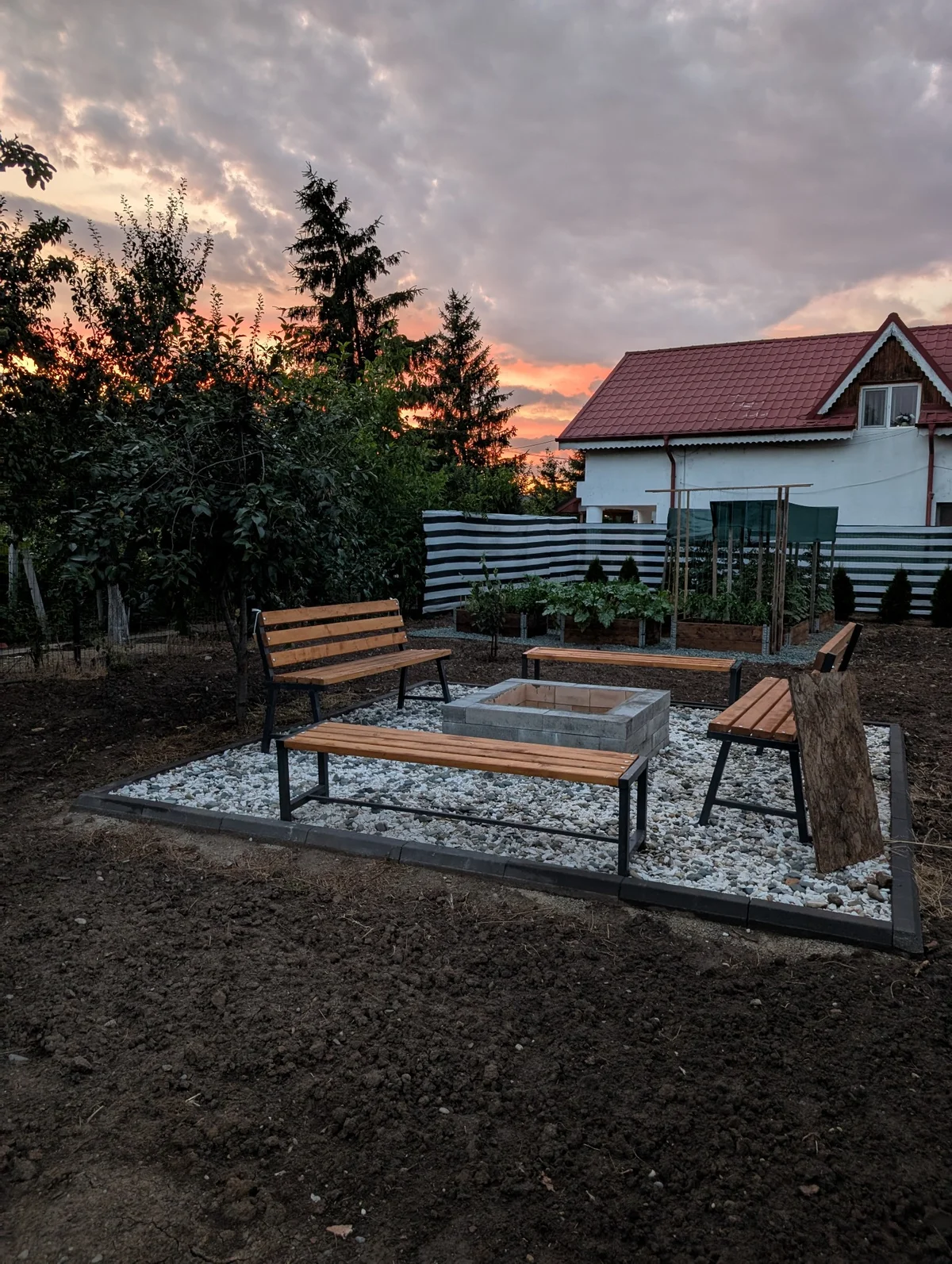
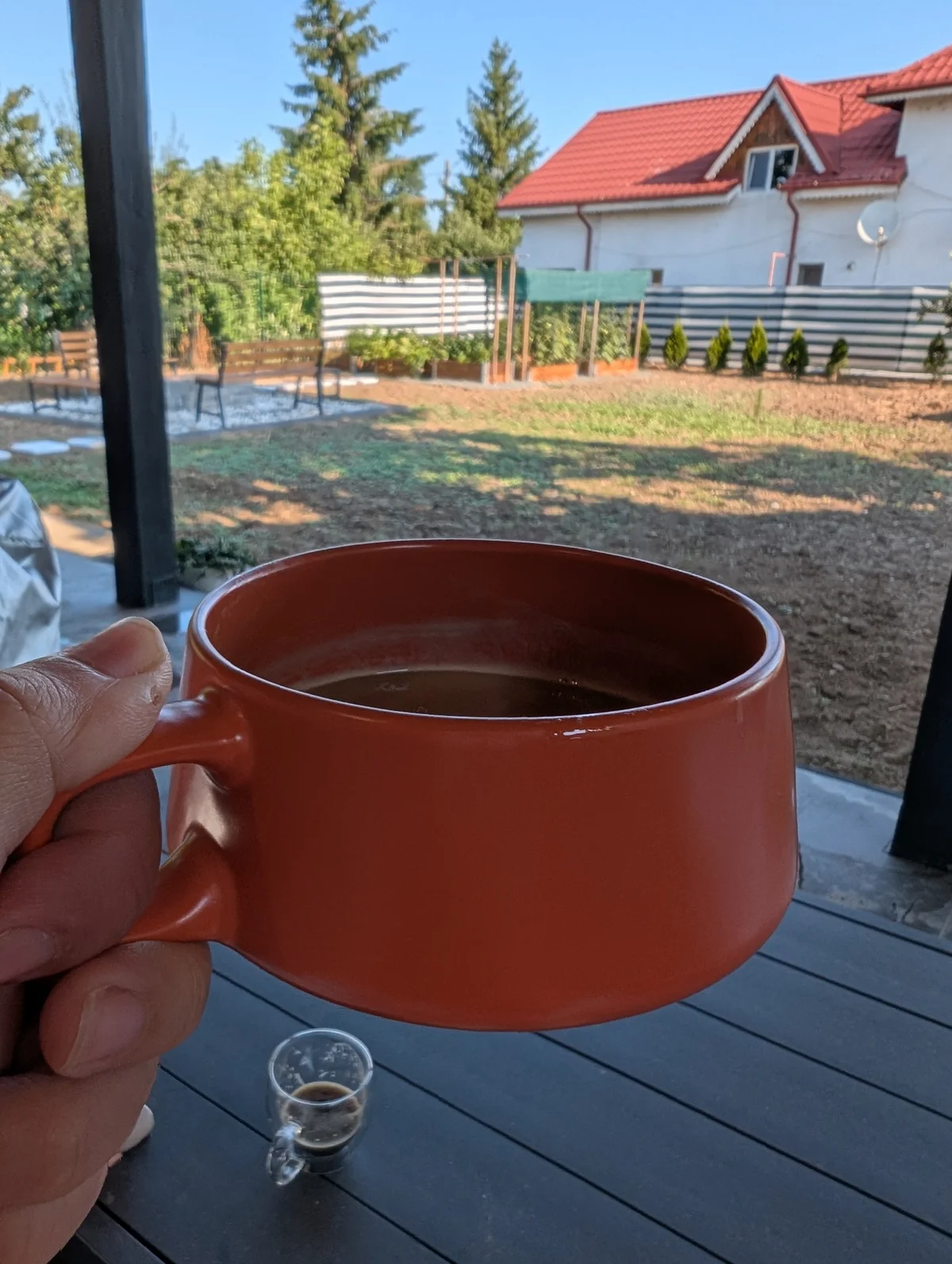
Moving from the city to the countryside may seem like a fairytale if you follow this kind of content on social media. Of course, you can wear a flowery dress and use cute baskets to harvest your garden, or take beautiful coffee shots with flowers and bees in the background.
But behind all those dreamy shots there is hard work, daily chores, insect bites, muddy hands, and rural lifestyle challenges.
To have a beautiful and prosperous garden you have to take care of it, water the plants, remove weeds, apply necessary treatments, and so on. All these things need to happen in the right order and at the right time. Even if you don’t feel like it, or are tired, you simply can’t skip these chores.
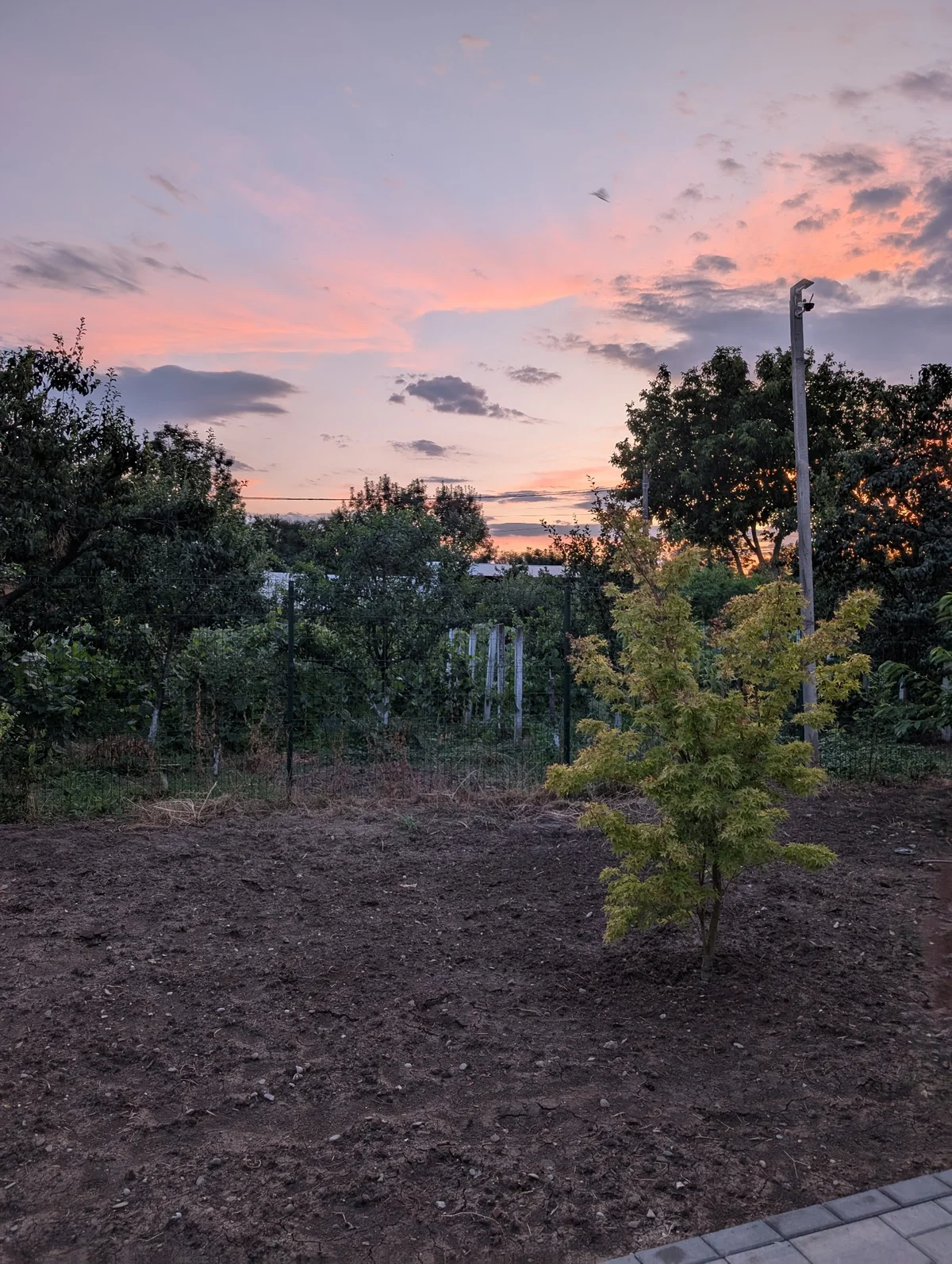
If you want to have beautiful flowers all year round, you need to research and plan the ideal times to plant the seeds or bulbs. For example, for most spring flowers, you will have to plant the bulbs in autumn, the year before.
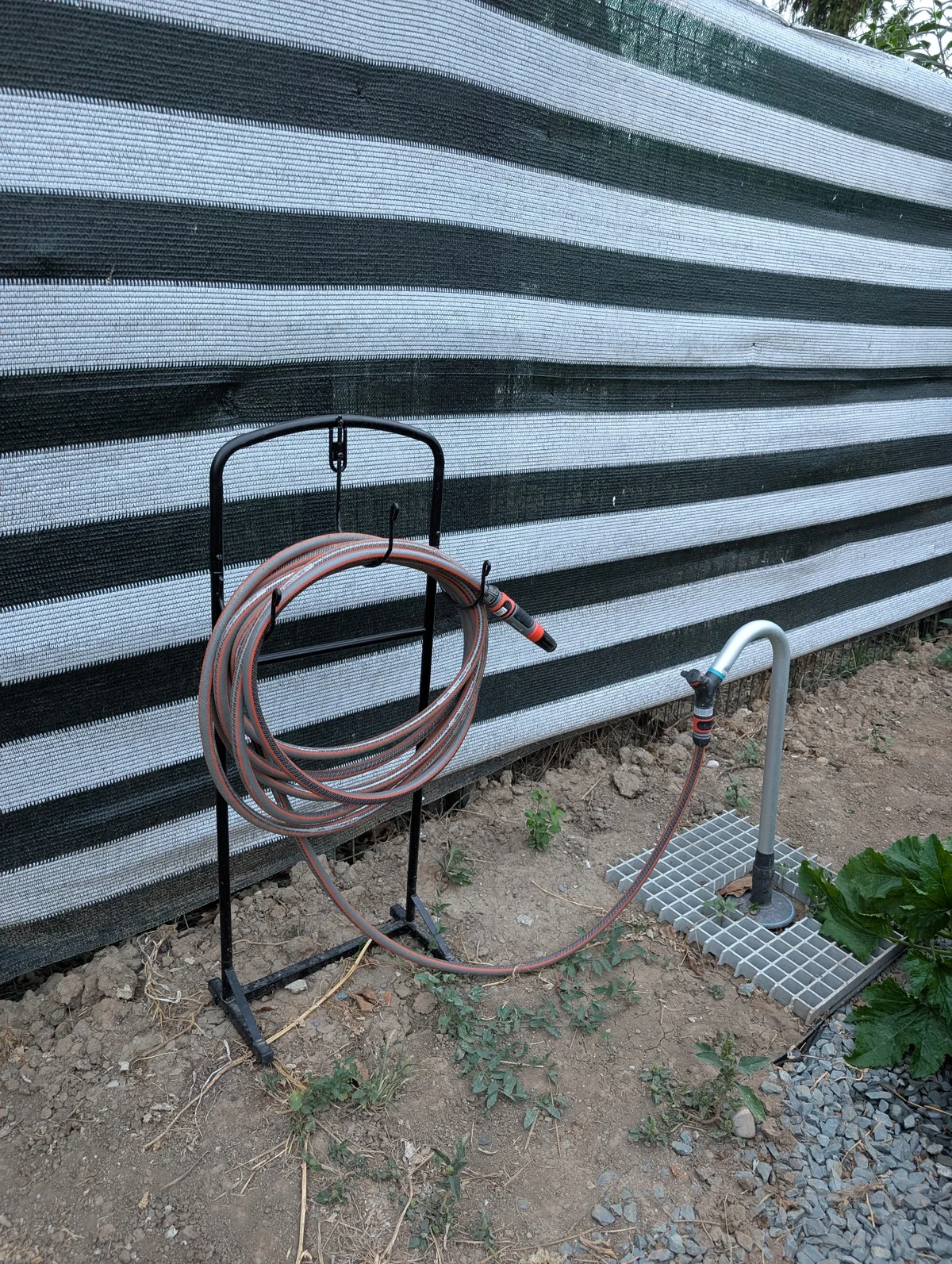
In addition, you need to research fertilizers, mulch, and treatments to help your garden. You need to invest in a watering system that serves your needs, as well as gardening tools and accessories.
With proper planning and work, you can build an Instagram-worthy life and a very cozy lifestyle if this is what you want. But don’t come into this thinking that rural relocation tips will magically turn your life into a fairytale from day one.
If you are interested in building a planning system that will help you keep things in your rural home organized without losing your mind, then consider subscribing to my email list. This way, you will get notified every time I publish more content, spreadsheets, and tools that you can use in your daily life.
Setting Realistic Expectations Before You Move
It goes without saying that setting realistic expectations before you move is the key to success. If you want to take just one thing from this article, let this be it.
I feel like having the right expectations is the foundation for a successful rural relocation. If you understand beforehand all the pros and cons, and the challenges that come with adopting this kind of lifestyle, you will be more prepared to face hard times.
With the right mindset and a realistic view of things, you will start to see hardships as learning opportunities.
Even though we had some experience from living in the countryside during our childhood, and even though we knew some of the rural lifestyle challenges we would face, there were still things that set us back mentally and made us wonder if it was worth it or not.
But now I see things from a different perspective. I understand that growing vegetables in a rural home or making DIY home repairs can bring so much fulfillment and joy to our lives.
Setting realistic expectations is easier said than done, but I’m here to help you out.
Before you take action in moving from city to countryside, please check out this countryside moving checklist and discuss it with your family:
- Make a list of country living pros and cons (research blog articles like this one on the internet and think about all the facilities that you currently enjoy in the city).
- How do you feel about depending on your car for pretty much everything? (rural transport options)
- How do you feel about the idea of spending extra time planning groceries and chores?
- How do you feel about seeing your friends less?
- How do you feel about dealing with that sense of isolation?
- How do you feel about doing repairs or learning how to plant trees, flowers and vegetables?
Please note that setting the right expectations—not the dreamy Instagram ones—will make you truly appreciate your new slow living lifestyle benefits.
“Cheaper Living” Can Be More Expensive Than You Think
Renovations, Utilities, and Property Taxes – The Hidden Costs
No matter if you build a house from scratch, choose to buy an old one and renovate it, or find one that is ready to move in, there are a lot of hidden costs that will impact your overall budget.
From my experience, I can tell you that most hidden costs come especially in the beginning, when you are settling in. But with some planning and budgeting, you can break down the costs and make a schedule for renovations and repairs that fit your budget.
If you want to have an idea of the hidden costs that may occur when you are moving from the city to the countryside, please check out these examples:
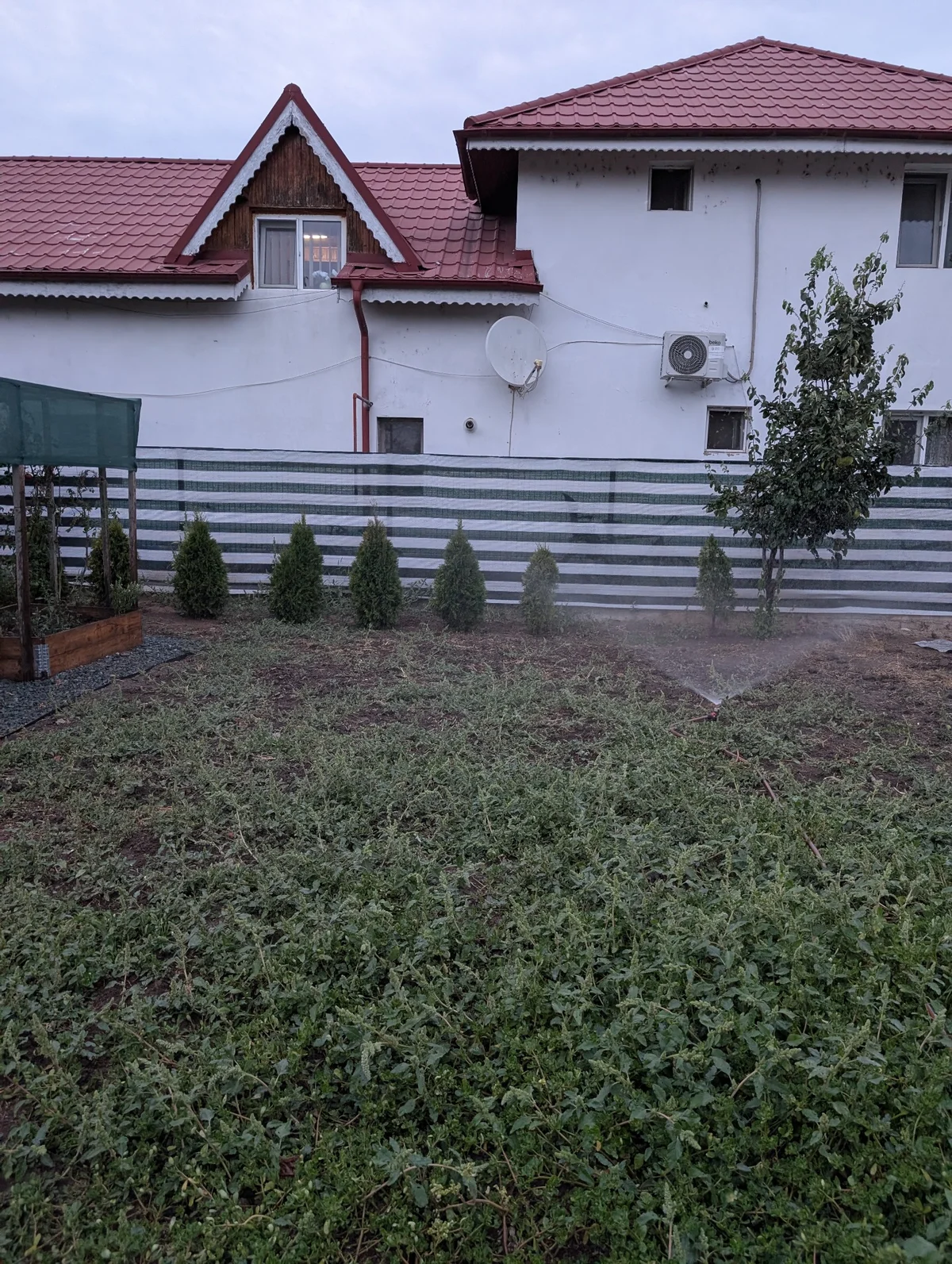
- Investing in a reliable and durable irrigation system for your garden, which in the long term will help you save money. For example, we have a rainwater collection basin in the ground. This basin was expensive, but in the long run, we never needed to pay for the water that we use in our garden (and we use a lot!)
- If you buy an old house, prepare for renovations that may not be visible at first, such as the electrical and plumbing installations, which are most likely inside the walls or under the floor.
- You may find a cheaper house, but please be aware that this can mean the house isn’t connected to essential utilities like gas, electricity, or water. The cost of living in rural areas can increase significantly if you need to bring these utilities closer, and it can be a real hit on your budget.
Lower prices on a house can also mean that there is something wrong with the foundation or the materials used in building it, which means hidden costs for you that will appear over time.
Home Cooking Will Become Necessary and Mandatory
Wholefoods Are More at Your Disposal Than Ever
Depending on your city lifestyle and your take on home cooking, this is one of those things that will most likely change in your life after you move to the countryside.
For me, cooking used to feel like a chore, and I wasn’t good at it at all. Honestly, my journey with home cooking started when we had a child, and it amplified after we moved from the city to the countryside.
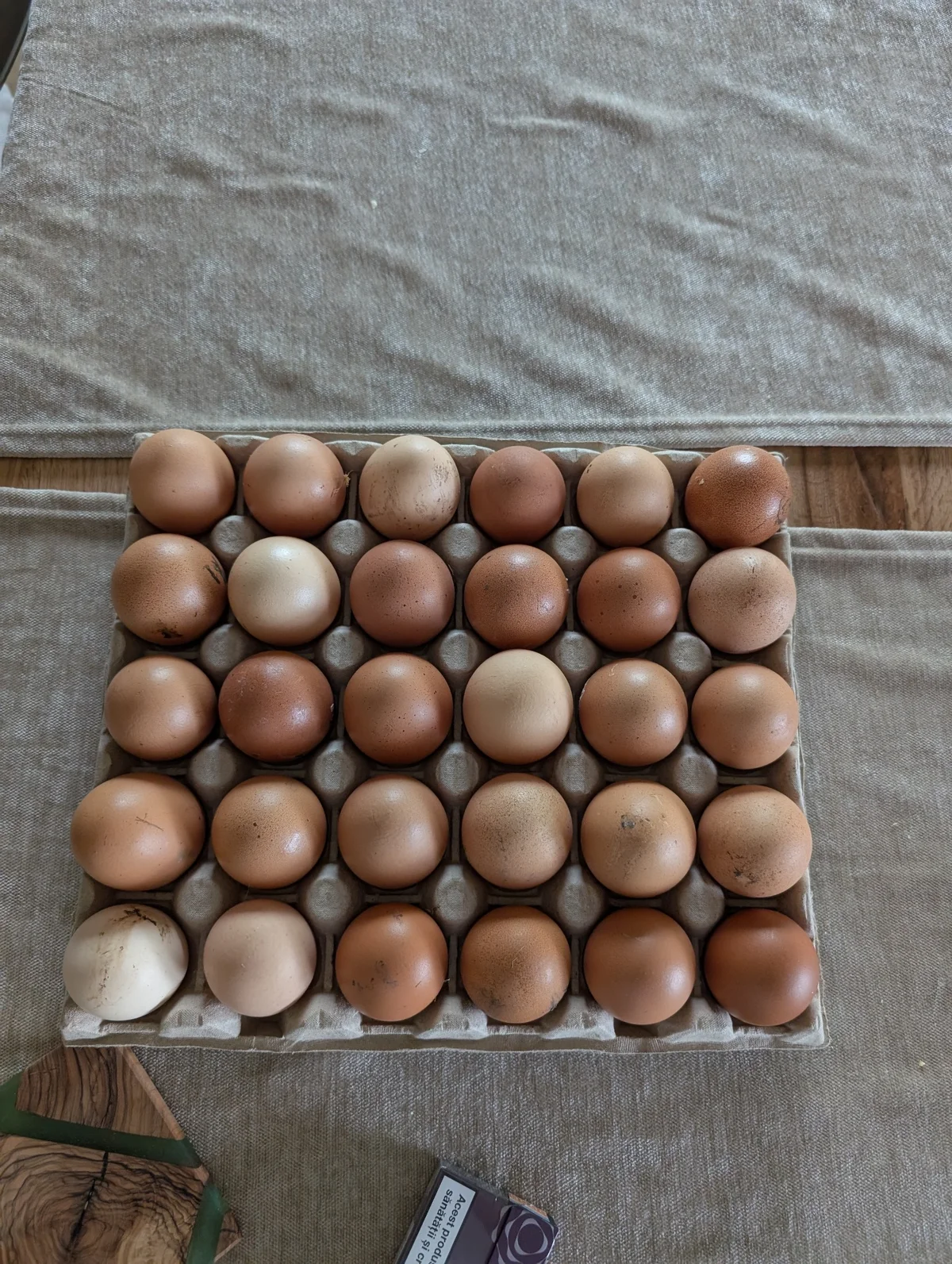
Now, cooking meals has become part of our slow living lifestyle benefits. I enjoy the process of preparing food and arranging our meals and table. We started to meet people in our village who sell or gift fruits, vegetables, and eggs. I don’t know exactly why moving from the city to the countryside made me love cooking. Maybe it’s the slow, cozy lifestyle that we adopted, or the values that villages have—but here we are.
I feel like in rural areas, wholefoods are more at your disposal than ever. Just ask around your neighbors, and soon enough your food will start to taste amazing.

Grocery and Recipes Planning Are More Important Than You Think
When you move to the countryside, chances are you will be further away from grocery stores or malls. I think this is the most common country living pros and cons topic I hear people mention about living in a village.
I get that—I really do. We used to live near a big supermarket and within walking distance to the mall. Now, if we want to go shopping, we need to take the car. Let me tell you, it’s a real bummer if I discover that I’m missing something for a recipe or another important household item and it’s evening time.
This is why grocery and recipe planning is more important than you think. Even if you aren’t the type who likes making lists, you will need a basic planner just to stay ahead of things.
I’m not the kind of person who loves writing everything down. What I find very useful is planning groceries together with recipes for the week. In this way, you don’t buy things you don’t need—which often spoil and get thrown away—and at the same time, you stick to a budget.
I’m creating a cozy tool to help with grocery and recipe planning. It’s not quite ready yet, but if you subscribe, you’ll get it straight in your inbox as soon as it’s done.
Internet and Phone Signal Can Make or Break Your Plans
Internet and phone signals are very important, especially if you work from home or if you like watching a lot of movies at home. I feel like the more secluded the village, the more problems you will have with the internet in rural areas.
I love the cozy countryside lifestyle, but I’m not into living off-grid. For me, watching a nice movie with my husband, while enjoying some snacks and getting into our comfy pajamas, is the best way to end a day.
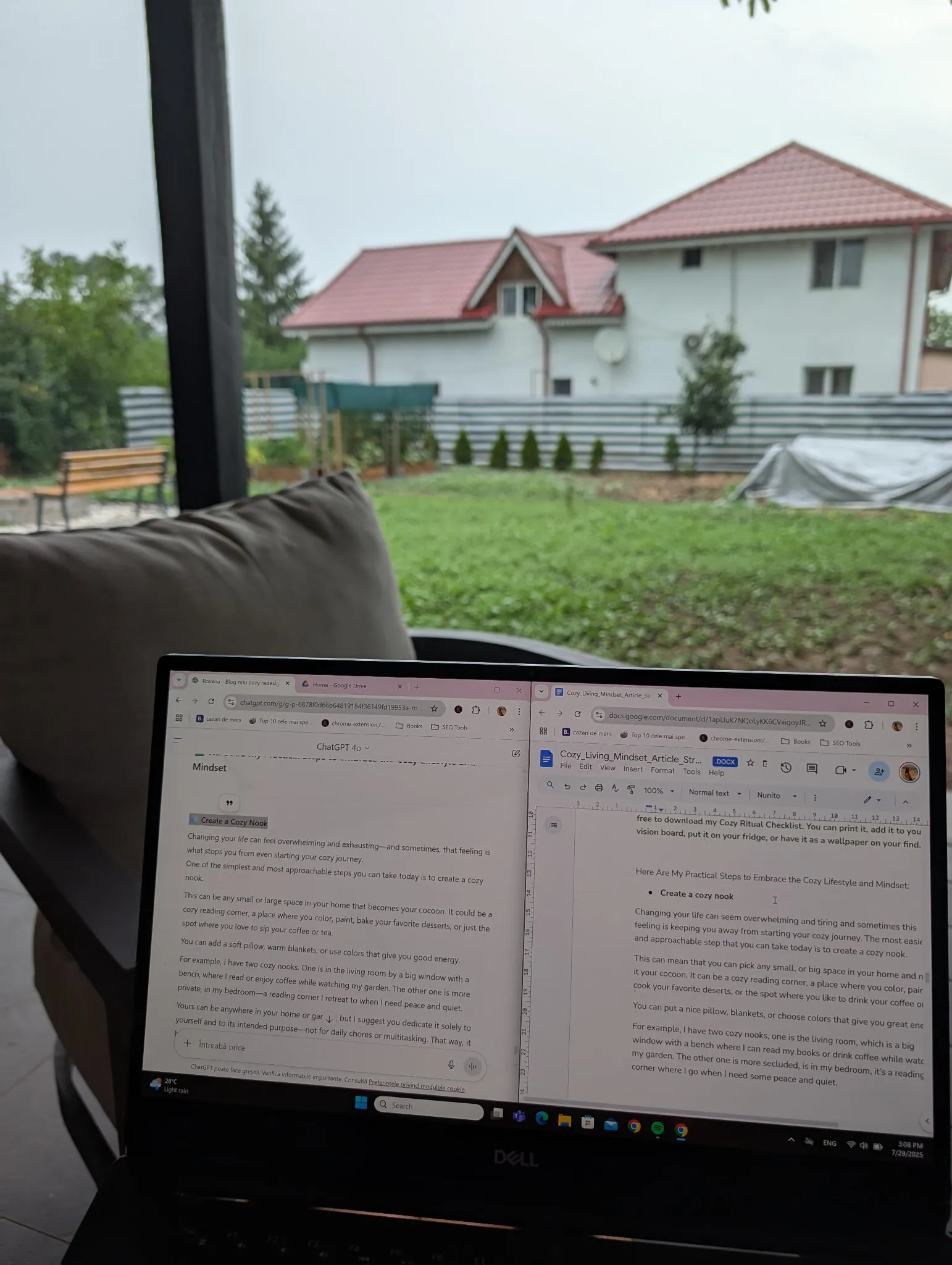
Also, we work from home and use the internet daily to do research and connect with friends.
So, before you make the decision to move to the countryside, make sure that good internet providers are available in the area. Also, invest in quality routers and systems to avoid frustration.
You’ll Depend on a Car More Than Ever
I feel like this is a dealbreaker for most people when it comes to moving from the city to the countryside. Most villages are far from groceries, hospitals, commercial centers, and most of your friends.
This is one of those things that you know about in theory, but it really hits you when you actually make the move.
I understand why this aspect scares people—it did for us too—and it’s good to know about it beforehand. As I said, we need to stop romanticizing the countryside lifestyle.
That being said, I’m here to tell you that with some planning and strategizing you can reduce the impact of this disadvantage by a lot.
Here are some steps that you can consider:
- Buy a house in a village that is closest to your city, or to a specific region of it, close to hospitals and markets (and think carefully about what “close” means for you).
- Plan your groceries and meals to reduce the daily car usage.
- Find local markets and small boutiques in your area where you can buy essentials.
- Get to know your neighbors and find out who sells eggs, vegetables, fruits, and so on.
- Research and see if there are food providers that deliver in your area. For example, we use Sezamo for most of our grocery shopping, especially when we don’t have time to spend hours in supermarkets. They deliver everything from food to cleaning supplies.
Depending on where you move, rural transport options will vary, so make sure you research carefully before making your decision.
Weather Shapes Your Life More Than in the City
Seasonal Impacts on Roads, Gardens, and Comfort
When you live in the city, the weather might influence your social life, especially during holidays or weekends. But in the countryside, the weather prep is something that shapes your life more than you think.
If you have a garden or are planning a barbecue with your friends and family, the weather can change or break your plans.
You need to be aware of rainy days to plan your garden activities accordingly. When living in a house, you do a lot of work outside because there is always something to repair, build, or maintain.
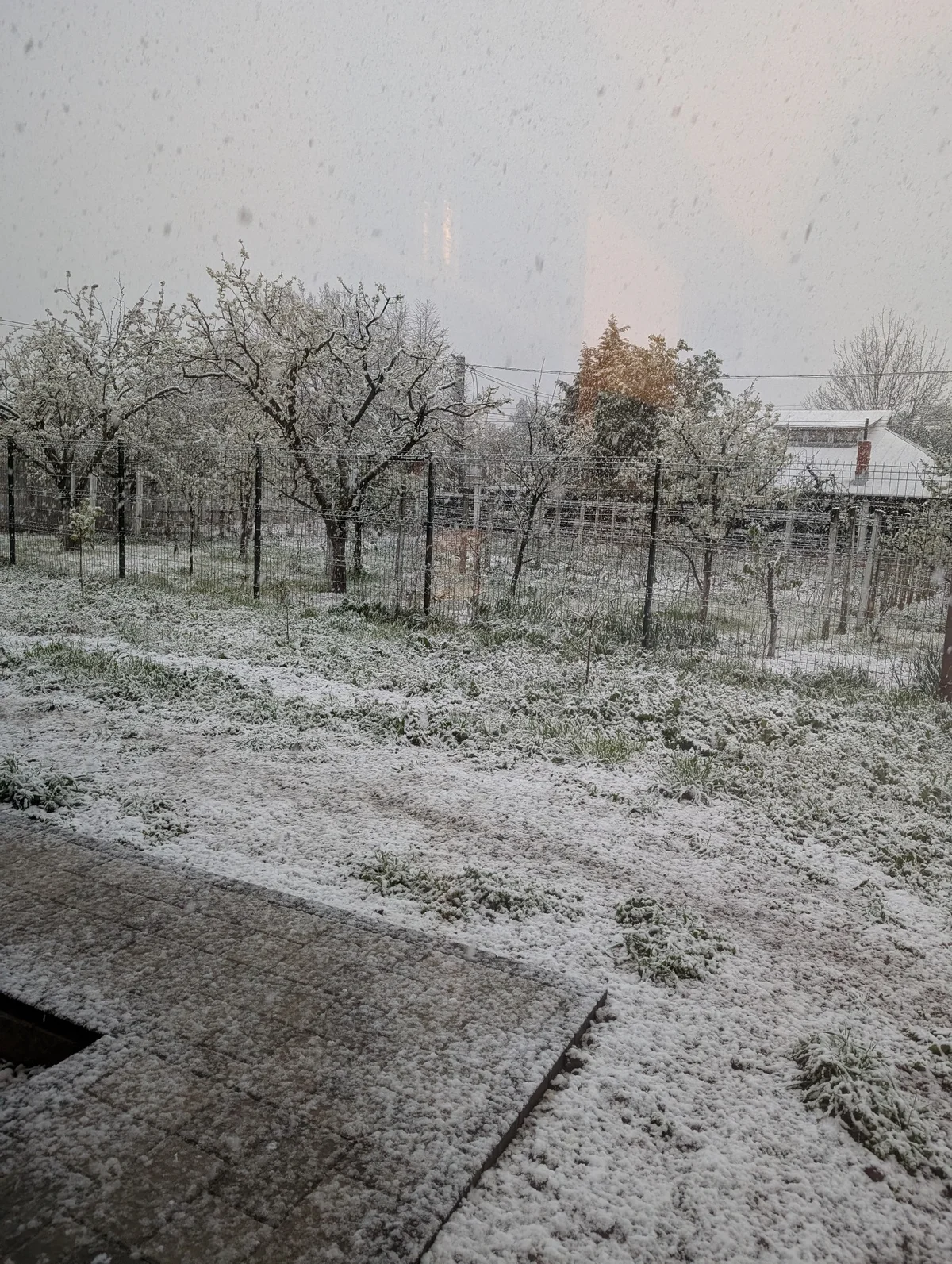
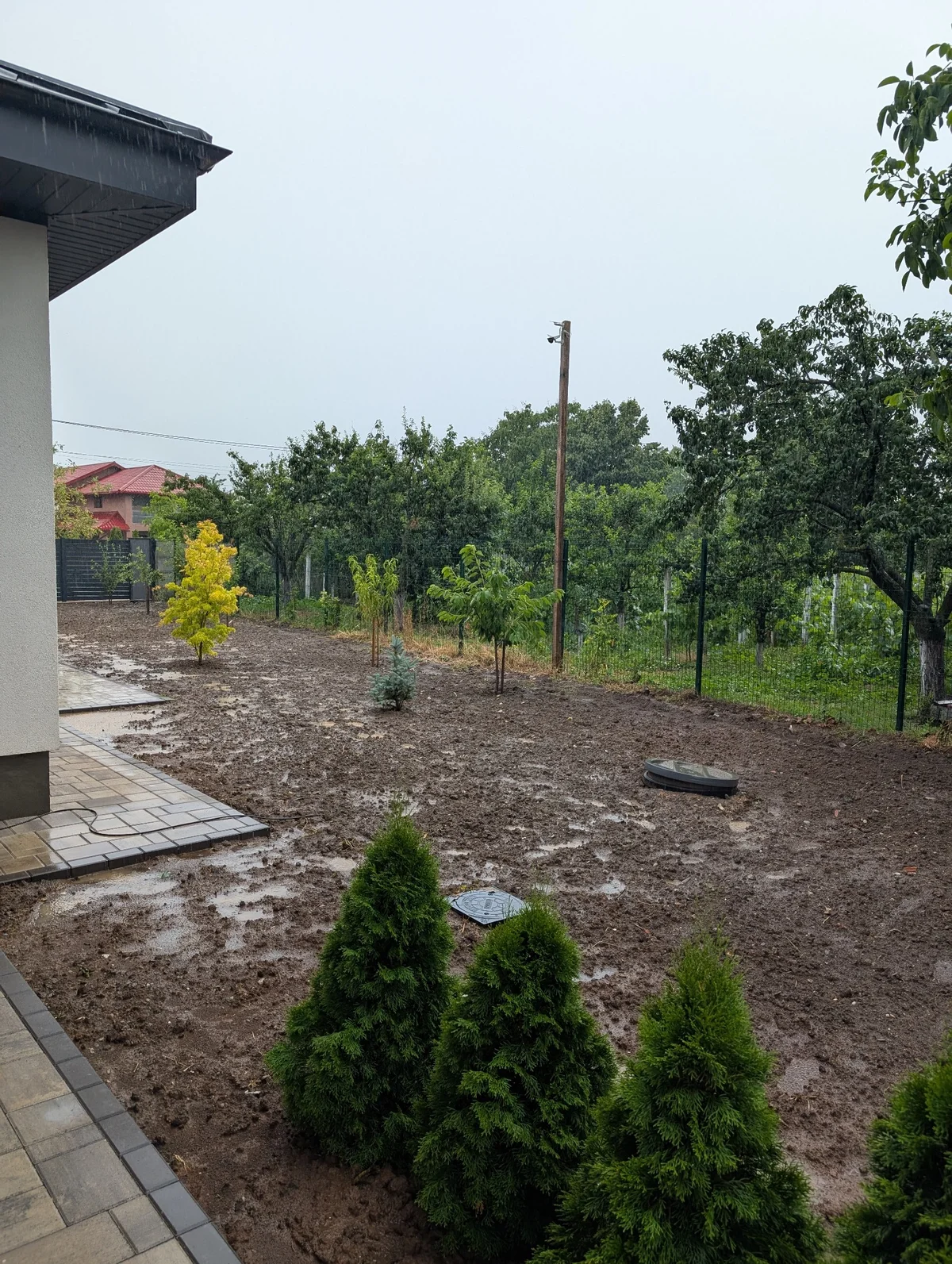
Rain, wind, or storms can change your plans, and you need to be mentally prepared for that. For example, we bought about 10 trees and had some people come to help plant them. Halfway through, a storm came out of nowhere and ruined our plans. They pushed through and finished the job, but of course they left soaking wet and with a cold on the way.
During another storm, our garden was almost destroyed and one tree was damaged.
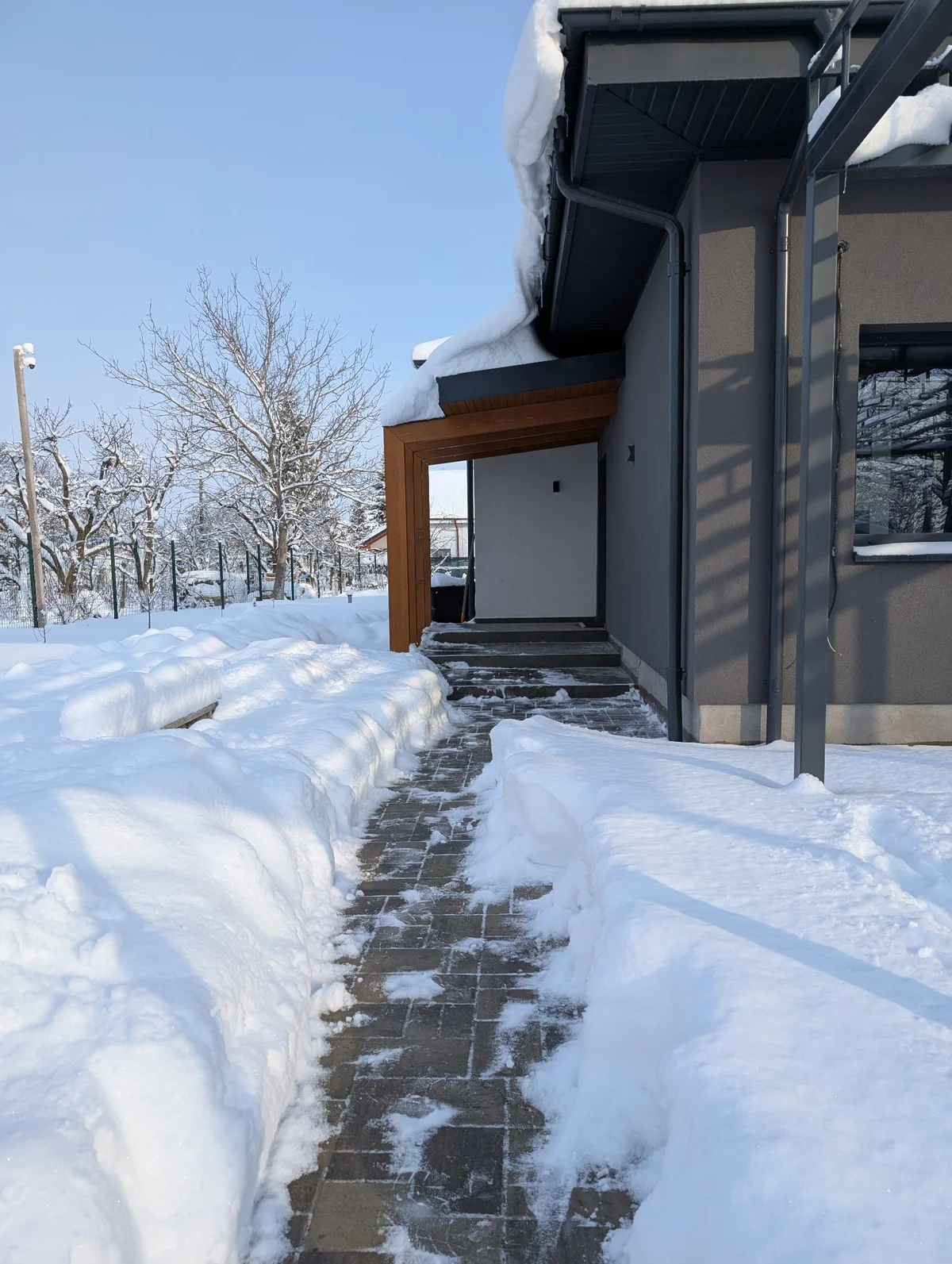
Preparing for Power Outages
I feel like power outages happen more often in the countryside than they do in the city. For us, it happened twice this year already, and it was really scary because we thought our food was going to spoil and we didn’t have hot water. The outage lasted for a few hours, but in nearby villages it went on for half a day.
This is why it is so important to invest in a good generator and heating system (especially for winter) and to have good-quality flashlights in your house.
The countryside weather challenges can be tough, but if you are prepared you can get through them much more easily.
You’ll Need to Build a New Support Network from Scratch
I feel like moving from the city to the countryside is like going off-grid for some people. This can be hard, especially for those who have an active social life and are used to going out with friends on a regular basis.
Depending on what stage of life you are in—single, married, or with kids—I suggest you research an area that has young families or couples so you can start building a rural community.
I feel like this aspect can be a dealbreaker for some people. It wasn’t for us, because we find joy in solitude. The cozy, secluded lifestyle is really what we needed, so for us making friends in the area and building connections was a nice surprise—but it wasn’t something we considered before moving.
That being said, getting to know other families, planning playdates with our kids, or organizing barbecues is pretty awesome. In the countryside, the communities feel more authentic and supportive than in the city. Building a rural community is more realistic here than in an urban environment.
DIY Skills Aren’t Optional – They’re Survival Tools
Neither my husband nor I had any DIY skills when we lived in the city. In our apartment, we rarely changed anything and we always paid someone to do it. The same happened whenever something broke.
After we moved to the countryside, we quickly learned that DIY home repairs countryside are survival tools. Even if you can still pay people to do things for you (and we do in some cases), there’s something about living in a house that gives you the urge to learn how to do things with your own hands. That, and the fact that in the rural area it’s hard to find professionals.
Also, your DIY skills can save you a lot of money and bring a lot of satisfaction and fulfillment. Not to mention all the things you are going to learn from the process.
Researching how to do things will become your best friend, and believe me, if you don’t get your projects right on the first attempt, you will still find joy in the process.
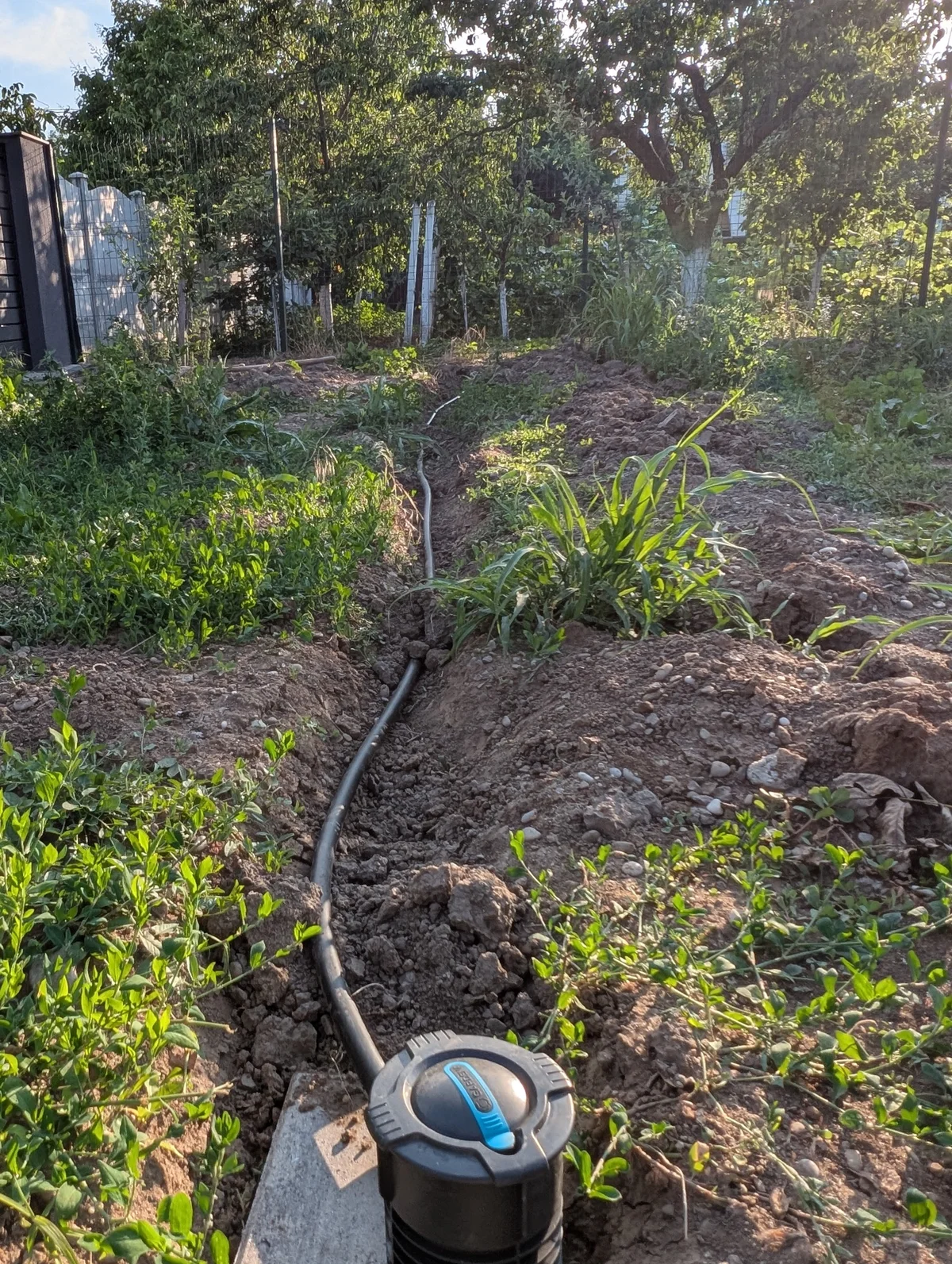
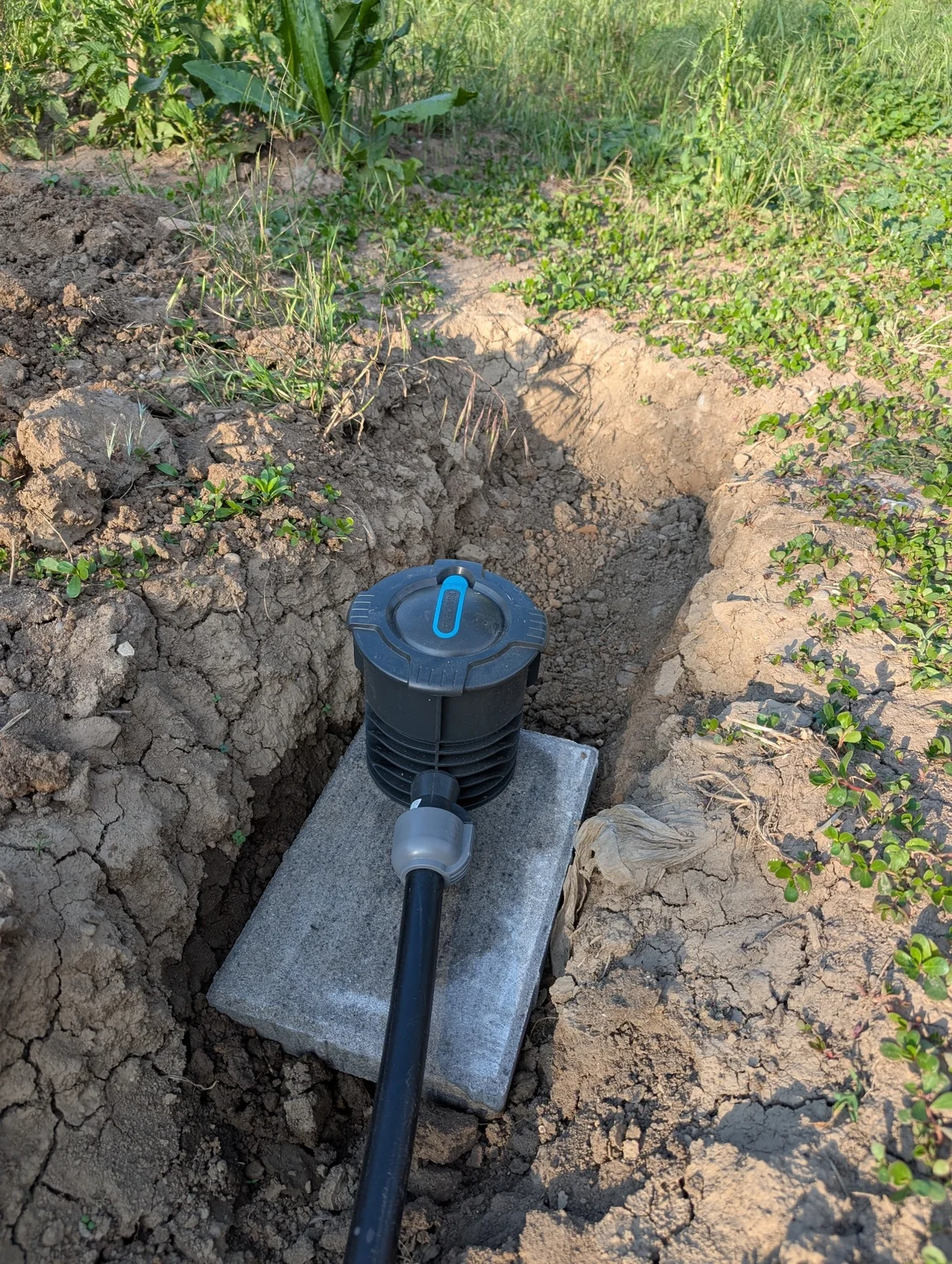
For example, because we didn’t want to pay a ton of money for a firm to implement an irrigation system, my husband started to build a simpler version from scratch. He researched the parts we needed to buy and designed the whole system piece by piece.
Together, we started to implement it in our courtyard and after several failed attempts and leaking pipes—we did it! It’s hard to describe in words the rewarding feeling of completing your own DIY project and seeing it work.
It was also a great opportunity for us, as a couple, to do a project together for our home. Pretty awesome! Now we are excited to take on more projects and try other things.
If there’s one thing we learned from our journey of moving from city to countryside, it’s that you can learn almost anything if you put in the time and effort. We were complete beginners (and still are) in every aspect of rural lifestyle challenges, but we’ve learned to get around and solve our problems.
Growing Your Own Food Sounds Easier Than It Is
The Time, Effort, and Learning Curve
Yes, indeed, growing vegetables in a rural home sounds easier than it is. I watched all those beautiful Instagram reels where people harvest perfect produce, and it made me dream of my ideal garden someday.
Well, we moved to the countryside, planted a garden—but my dream is still just that, a dream. :))
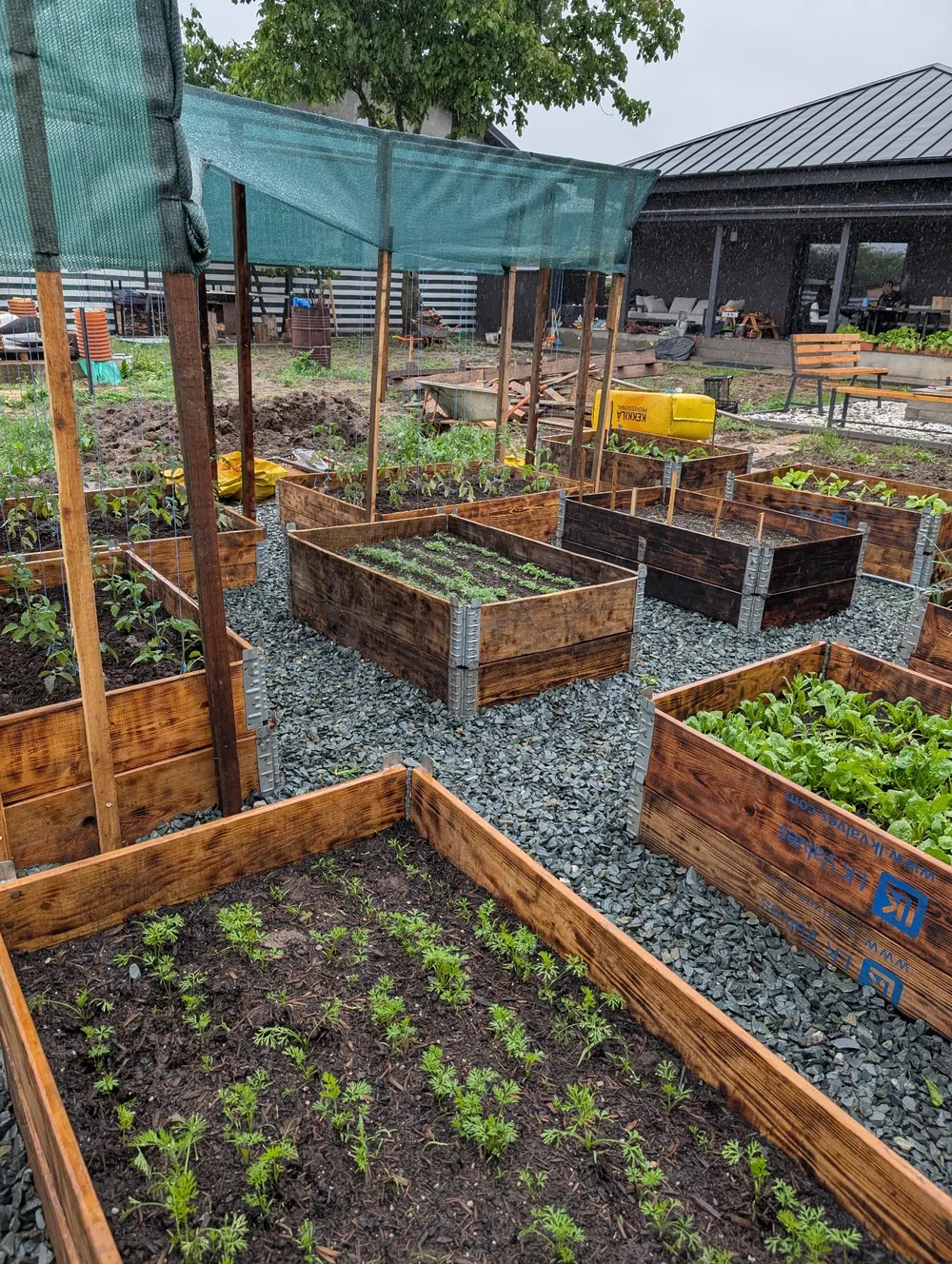
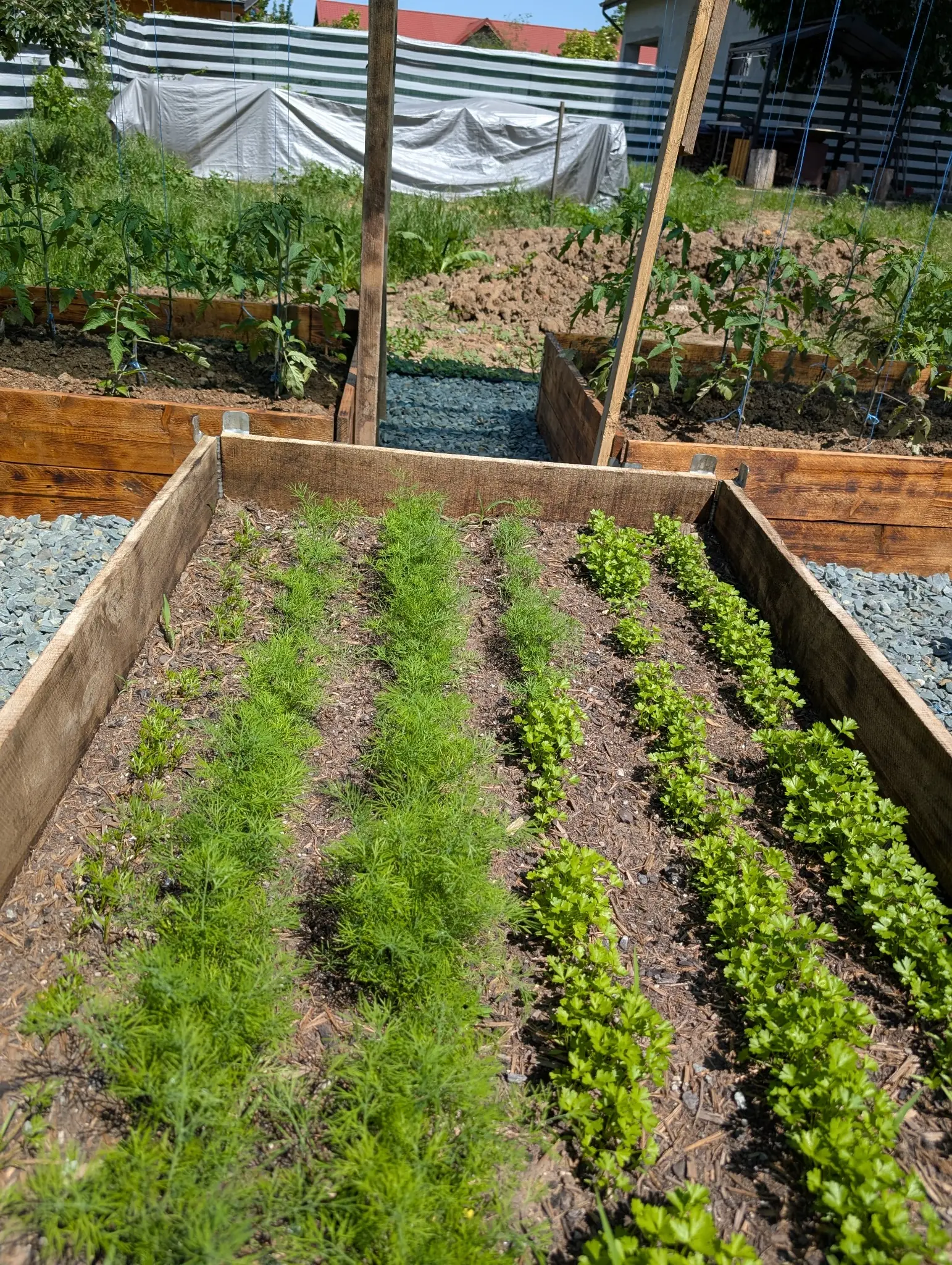
Planting and sustaining a garden is a continuous learning process. You need to learn when to plant, how to fertilize, how and when to water. Every vegetable is different and has unique growing requirements.
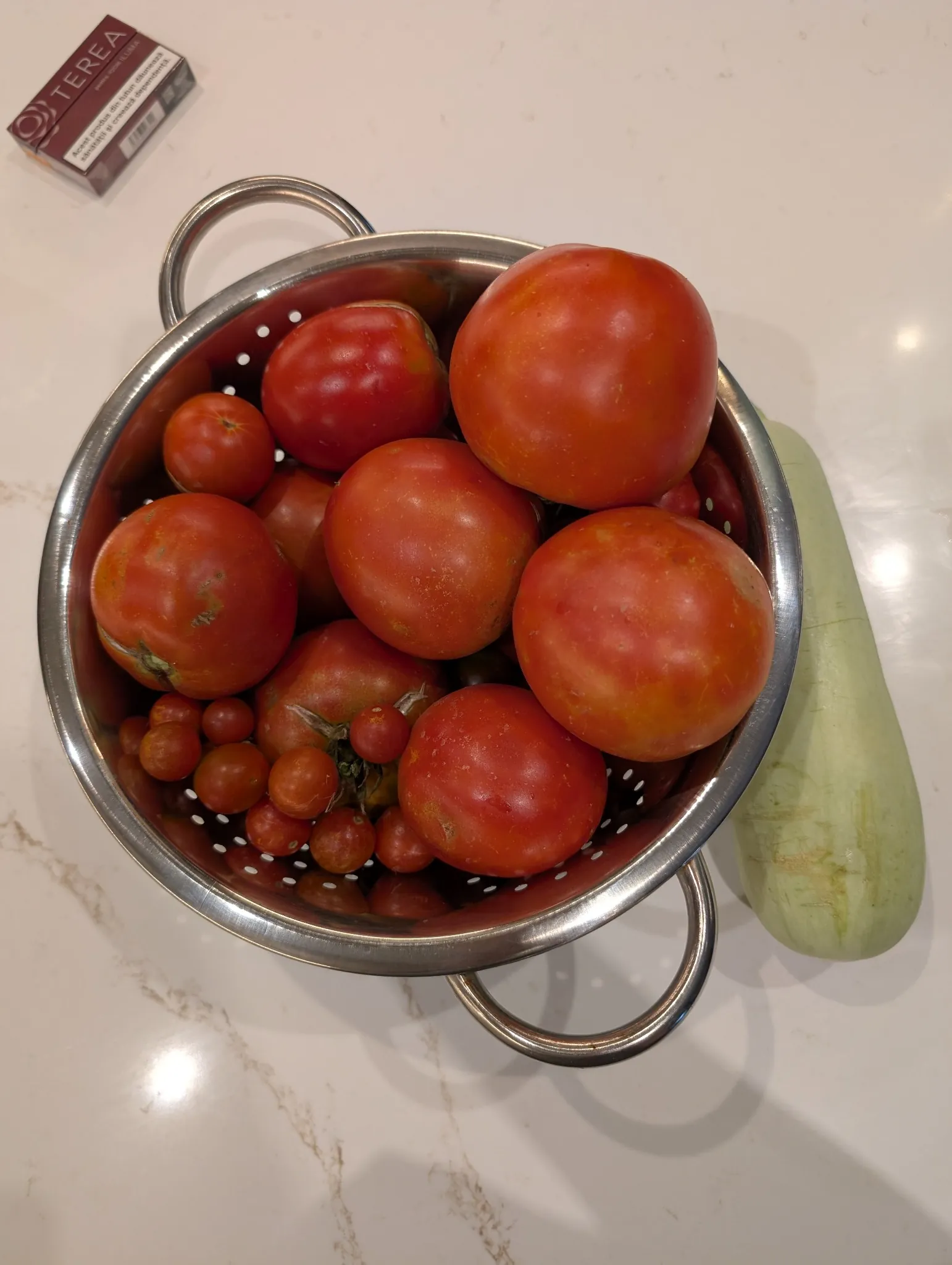
For us, this was our first time ever having a garden, and it felt more like a trial. We wanted to see how we could build a garden from scratch and how to take care of it without any experience. That’s why we planted only a few vegetables this year, but we plan for more next year.



Starting Small and Scaling Up
This is the thing with gardening: sometimes you need to start small, take the time to learn, test strategies, and do better each year. This means that growing vegetables in a rural home involves a lot of hard work—especially if it also includes raising animals.
You need a calendar with all the tasks for your garden, from planting to maintenance, to harvesting and preserving. In time, you will learn how many vegetables you actually need and discover new recipes to preserve them if you end up with too much.
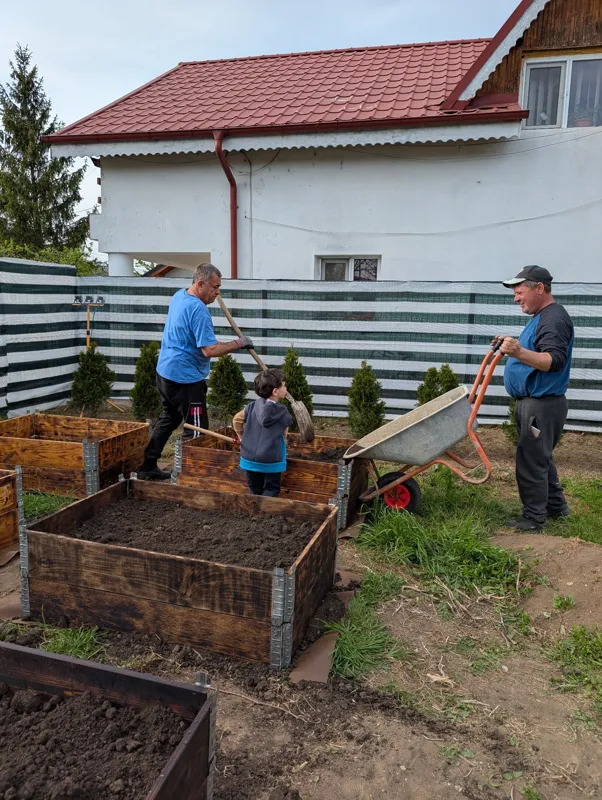
Growing your own food involves a lot of trial and error alongside all the hard work. For us, gardening has become one of our family’s favorite activities. We don’t see it as a chore but more as a bonding activity. We involve our child as well.
Emotional Shifts – From Fast-Paced to Slow Living
Managing Loneliness and Isolation
Going from a fast-paced life to a slow living lifestyle—from the city to the countryside—will bring a lot of emotional shifts. Especially if you had an active social life in the city and were used to having close friends and going to cafes and restaurants all the time.
I know that for most people, moving from the typical city sounds to ultimate quietness can feel unnerving. And I get that—I used to be that person who loved the fast pace, the sounds, and the crowds. I felt energized when I saw people on the streets going places, doing things, and being busy. For me, being productive and constantly doing things, while seeing others around me do the same, made me feel like I belonged.
When I was in that period of my life, I couldn’t fathom the idea of moving from the city to the countryside and adopting a cozy, slow lifestyle. But here we are.
If you are interested in learning more about what a cozy lifestyle means, then check out this article.
This is why it’s so important to understand that slow living isn’t for everyone, or for every stage of life. It really depends on each individual listening to their heart and intuition, and doing the things that bring them happiness in that moment.
What you need to understand is that even if you feel prepared to move to the countryside, the emotional shifts will happen—only the intensity will differ.
For me and my husband, honestly, from day one of our move we felt at home here. We felt as if this was the place where we had always belonged. I know this may sound crazy, but on a spiritual and emotional level, we finally felt like we had arrived home—after years of searching without knowing exactly what we were missing.
But not everyone’s experience is the same, and you need to be prepared for the emotional shifts, no matter if you made this decision based on your heart or for practical reasons.
Not seeing your friends often, dealing with isolation, and living with the feeling of stillness can be hard. You need to give yourself an adjustment period and not be so hard on yourself from day one.
Finding Joy in Everyday Moments
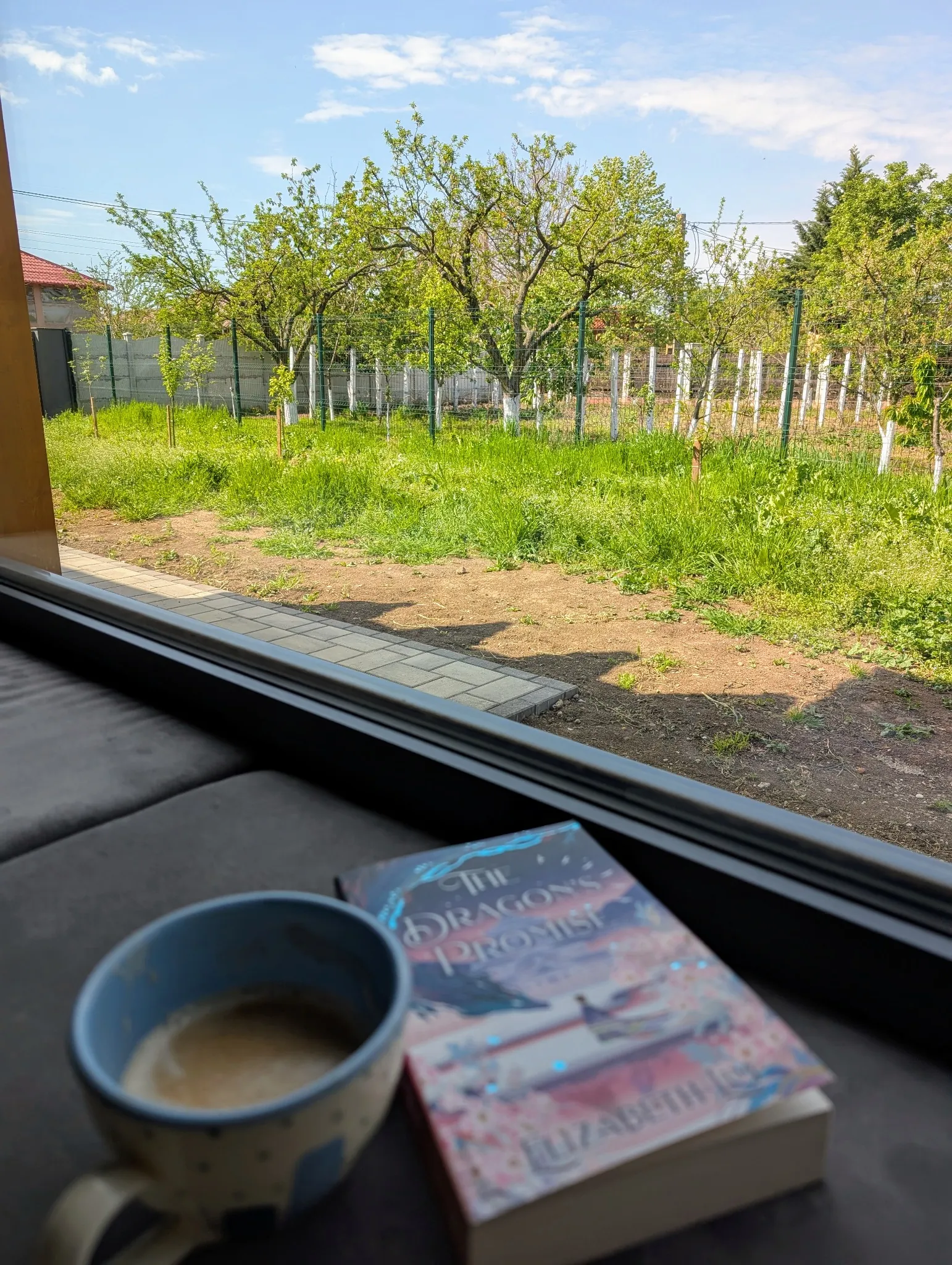
Things like discovering new hobbies, spending more time outdoors, or organizing barbecues with your friends as often as possible can help you embrace your new lifestyle. Finding joy in everyday moments—like drinking your coffee outside early in the morning, listening to birds, or watching the rain—can help you adapt more easily to this cozy lifestyle.
For example, when we invite friends over now, they usually spend the night in our guest bedroom. Even though we see each other less often, we end up spending more quality time together. In the past, we used to meet at cafes or restaurants, and it always felt rushed, like there was a strict deadline. Now our interactions are more relaxed and meaningful—we cook, eat, and spend hours or even days together.
What I’m trying to say is that even if the emotional shift feels difficult, there are ways to make the adjustment easier. But the most important thing to remember is that you should only make this life-changing decision if you feel prepared (mentally or emotionally), for a concrete reason, or because you have a true calling—like we did.
Moving from the city to the countryside is not just a physical relocation—it’s a mental and emotional process that you need to go through to ensure the best transition possible. This isn’t something you do overnight.
Please keep in mind that the emotional shift can be tough, even if you think you are ready for it. And that’s normal.
Access to Services Can Be Limited
Going to the doctor, having services delivered to your home, or something as simple as shopping for birthdays can be limited when you move from the city to the countryside. Maybe you have kids that go to kindergarten or school and you want to give them the best education.
This is one of those rural lifestyle challenges that you need to be aware of before making the change. Of course, you can choose a village that is closer to your most-used services, but that isn’t always possible.
For us, this wasn’t a dealbreaker (we found great private kindergartens nearby and other facilities like hospitals and supermarkets). But it’s something you should know before making your plan.
All you need to do is stock up on essentials, including emergency kits, which will make you feel safe and secure. Access to healthcare in rural areas can be trickier, but with the right planning, you can adapt.
Kids Thrive Differently in the Countryside
Nature, Play, and Independence
I know families that moved—or wanted to move from the city to the countryside—after they had kids, or when kids were part of their future plans. As a parent myself, I knew that in the countryside kids really thrive differently.
I spent a lot of my childhood in the countryside, where I had many friends, ate fresh fruits, and enjoyed a simple, screen-free environment.
Today things are different. We have too many screens, too many toy options, and generally a noisier, fast-paced lifestyle. In the city, we have plenty of options for kids—parks, organized parties, workshops curated for all ages, and so on. All of these are great, but I feel like the city is still too overwhelming for a small child.
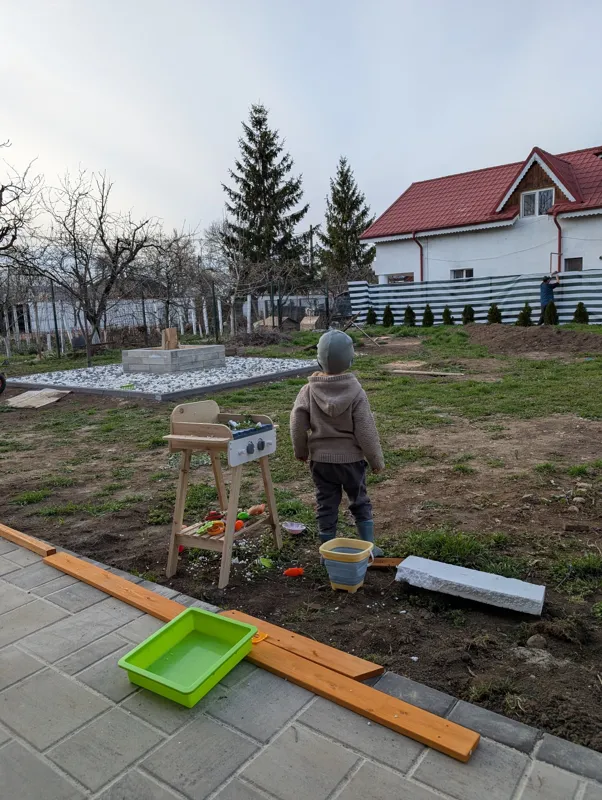
Raising kids in the countryside may seem harder because you don’t have parks or organized activities nearby. But you have a courtyard that you can transform into your child’s playground.
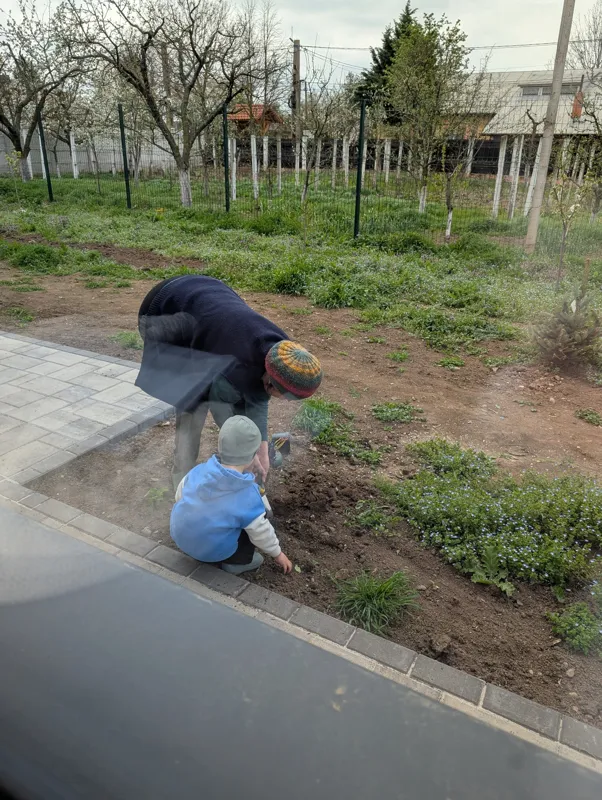
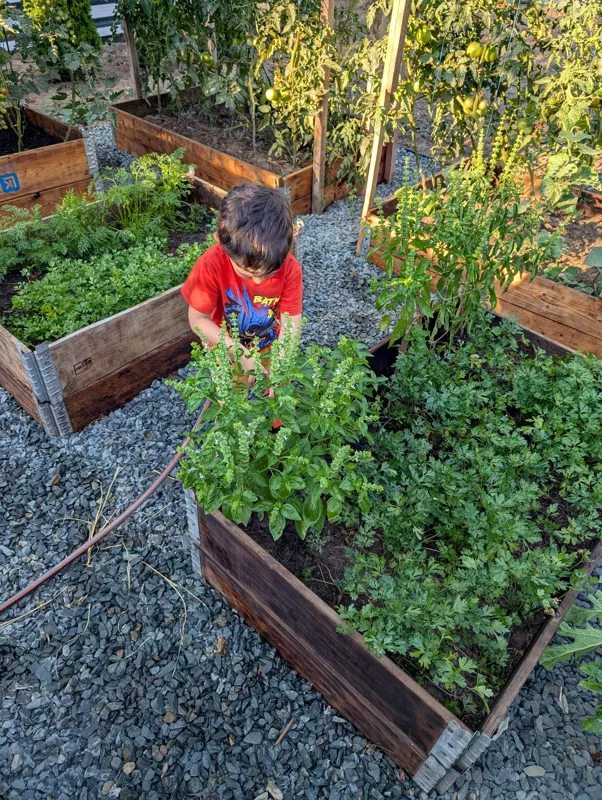
My child loves getting involved in our regular chores—he helps us plant in the garden, water the plants, and even has his own set of gardening tools. He spends a lot of time outside playing in the sand or riding his bike. He gets excited every time we harvest something from our garden. He has learned so much from the process of growing your own food, and he even helps me cook and clean.
I feel like he has more space for creativity to develop, and being so close to nature is vital for his sleep quality as well.
Education and Social Life Considerations
I know that many families (not so much in my country) adopt homeschooling after they move to the countryside. And I understand why—there are so many natural homeschooling resources in your courtyard or garden.
Some parents even find like-minded families and build a homeschooling community. This way, they not only cover the educational aspect but also create opportunities for their child’s social life.
For us, homeschooling wasn’t something we wanted, so we decided to build our house in a village close to good kindergartens and schools. This way, we live the cozy rural lifestyle while also giving our child access to quality education.
As for social life, I see groups of children of different ages playing together in our village almost every day—on the street, at small playgrounds, or in each other’s yards. There are other families with kids our child’s age, and we’ve organized many playdates. I myself spent my childhood in a village with my grandparents, and I made many friends during those years.
So don’t worry—your kids can get a good education and enjoy an active social life in the countryside.
If you have kids or plan to in the future, please know that raising kids in the countryside will help them thrive differently.
Preparation Is Everything
Try Before You Buy – Short-Term Stays
If you want to move from the city to the countryside, you need to understand that preparation is everything. You need to be mentally and physically ready to make this huge change.
If you want to experience rural life before deciding, I suggest booking short-term stays in villages (in tourist areas), spending holidays or weekends there, or even renting a countryside house for at least 6 months. If you still have doubts and don’t feel mentally ready, this is a great way to test what rural lifestyle challenges feel like.
Of course, you can talk to friends who have already made the move, or read articles that share authentic and real experiences about moving from city to countryside—like my blog.
Your Countryside Move Checklist
Preparation starts before your move, by planning what you need to pack and how to organize everything in your new home. You also need to make a list and buy other utilities or items necessary before moving. Decide whether to hire a moving company or ask for help from friends.
Having a countryside moving checklist and taking your time with the process (if you aren’t rushed by outside factors) will make the change much easier to digest and adapt to.
On the mental side, if you found this article, it means you are already preparing—by researching and understanding what you need to know before you move from the city to the countryside.
A House Is Not That Hard to Clean
“A house is much harder to clean than an apartment.” This is a phrase I always heard when telling people that we planned to move from the city to the countryside.
This way of thinking is far from the truth. But I get it—a house is generally bigger than an apartment, with more spaces to clean, especially if you have a two-story home.
In theory, I understand why a house may seem harder to clean and maintain. But in my personal experience, the reality is the exact opposite. Even though my city apartment was much smaller than my rural home, it always felt messy, with things everywhere, and impossible to keep clean and organized. Now, my house stays clean every day, and I don’t need to plan for regular cleaning or decluttering sessions. And I definitely don’t spend hours scrubbing.
How is that possible, you may ask? Well, it all starts with building the house—or carefully choosing the one you buy.
Here are some rural relocation tips that will make your house easier to clean, even if it’s bigger than your apartment:
- When you make plans to build a home, plan for special spaces dedicated to all the things you own. For example, build a pantry near the kitchen where you store canned foods, vegetables, condiments, and kitchen supplies. This will keep your kitchen clutter-free and give you more space. Having closets, hidden storage areas, and most importantly, dedicated spaces for your items will keep everything organized—because every item will have its place.
- Invest in cleaning devices that basically work on their own. We have a Roborock that cleans the house whenever we want. It vacuums, mops, and even cleans itself. It mapped our home and knows where all the furniture goes, so it never misses a spot. If there’s one tip you take from this, let it be this: invest in a great cleaning device.
- Invest in a drying machine. I always hated having clothes hanging on the balcony or outside, where they got dusty and added to the sense of clutter. With a dryer, laundry takes less time and is much easier to manage.
- Invest in a dishwasher. Just like the dryer, it saves you time and effort—you’ll spend far less time washing dishes every day.
Final thoughts: Is Countryside Living Right for You?
For me, moving from the city to the countryside wasn’t just about changing an address—it was about finding a different rhythm for our family, a slower pace that felt more like home.
I still remember the noise, the rush, the endless to-do lists of city life. And I remember the moment we realized we didn’t need all of that anymore. Here, the quiet mornings, the sound of birds, our child playing freely in the yard—these are the moments that remind me we made the right choice.
That doesn’t mean it’s always easy. There are challenges, moments of doubt, and times when you miss the convenience of the city. But for us, the trade-off has been worth it. The peace, the space, and the simple joys far outweigh the struggles.
Only you can know if this life is right for you. Listen to your heart, take your time, and if you feel the pull toward this kind of lifestyle, trust that it’s possible. And maybe, just maybe, you’ll find yourself one day sipping coffee on your porch, realizing you’ve finally found your place too.
If you feel that same pull toward a slower, simpler lifestyle, don’t ignore it. Start small, make your plans, and trust that the rest will fall into place. The countryside has a way of teaching you what really matters—whether it’s family, nature, or the joy of building something with your own hands.
Dreaming about moving from the city to the countryside?
Subscribe now and you’ll be the first to receive my Countryside Move Starter Kit (coming soon!) — plus practical stories, tips, and checklists about rural living, gardening, and raising a family away from the city.
No spam. Just cozy countryside inspiration.
FAQ about Moving from the City to the Countryside
Q1: Is living in the countryside cheaper than the city?
Not always. While property prices can be lower, hidden costs like renovations, utilities, and transport often make rural living more expensive than expected.
Q2: What are the biggest challenges of moving to the countryside?
Common challenges include poor internet connectivity, limited access to services, higher transportation needs, and adapting to a slower pace of life.
Q3: Do I need a car to live in the countryside?
In most rural areas, yes. Public transport is limited, and you’ll often travel long distances for shopping, work, or school.
How can I prepare for winter in the countryside?
Stock up on essentials, have a reliable heating system, and consider a backup generator in case of power outages.
Is the countryside a good place to raise children?
Yes, for many families. Kids benefit from more outdoor play, independence, and a closer connection to nature, but may have fewer social and schooling options nearby.