

Our First Country Garden: Autumn Tasks to Prepare for Spring
Just moved to the countryside and wondering what autumn garden tasks await you? Then keep reading to find out which things you should prioritize during fall in your first year of starting a garden.
Moving to the countryside was one of the best decisions for our family. It took us a few years to find the right land and then to build the house. But even back then, we knew we wanted to create a garden filled with fruit trees, berries, and more. Basically, we dreamed of that Pinterest-worthy garden that would make our courtyard both beautiful and practical at the same time.
Of course, we didn’t realize what building a garden actually involved—how much planning, learning, and effort it required to even get started. We were just some complete beginners, dreaming of harvesting our own tomatoes and berries and baking with ingredients from our little garden.
As I already mentioned, moving to the countryside was the best decision we ever made, and it truly changed our lives for the better. If you’re thinking about doing the same—or are already in the process—then you should check out my article “Things We Wished We Knew Before Moving to the Countryside.”
That article is packed with practical, experience-based insights—the kind you won’t easily find on the internet. These are things you learn only by doing, and I believe our journey was meaningful and full of lessons worth sharing.
Now, let’s get back to our autumn garden tasks. We moved into our new home in late spring and immediately started working on our garden. Of course, many things were experimental, and we made a lot of mistakes (I’ll soon write a full article about those mistakes, so you can avoid them).
When autumn arrived, we realized just how much there was to learn about our new garden and how many things needed to be done to prepare it for winter and the next spring.
In gardening, timing is everything. But when you’re a beginner, it’s hard to know which fall garden maintenance tasks to focus on first—or in what order. This article is all about the autumn garden tasks we completed in our first year, written entirely from the perspective of absolute beginners.
I know how overwhelming it can be to see all those experienced gardeners on Instagram or YouTube sharing their gorgeous gardens full of fruits and vegetables. They talk about rich soil, quality seeds, mulch, and companion planting to keep pests away.
But when you’re just starting out, you need simple, actionable steps to help you begin your garden journey—and then build on it, season by season.
So if you’re looking for autumn garden tasks for beginners, this article is for you.

Just to let you know… This post (probably) contains affiliate links, including Amazon Associates links, and I may receive a small commission when you click on the links. This is at no extra cost to you and allows me to keep running this website. How cool is that?! I only recommend products I would use myself and all opinions expressed here are my own.
Table of Contents
Why Autumn Is the Perfect Time to Shape Your Garden Dreams
If you’re wondering which season is best to start planting and working on your beginner garden, know that fall is the answer. We learned this the hard way — by making lots of mistakes when trying to plant things during summer, and it didn’t go so well.
During summer, the weather is too harsh — it’s often too hot for planting most crops. The short and rare rainy days combined with long heatwave periods make it really difficult for young plants or trees to adapt and grow. The garden’s water needs are also extremely high.
The soil becomes dry, compact, and hard to work with, making it challenging for plants to take root and grow strong.
This is why most gardeners recommend doing your main gardening work during fall and spring—the seasons that best support healthy soil and plant development.
Stay tuned for my upcoming guide on spring garden tasks for beginners! I want to take you along on our countryside garden journey, sharing everything we’ve learned — the mistakes, lessons, and cozy moments — so you can avoid the same struggles and find joy in your own garden. If you’re drawn to this kind of cozy garden lifestyle, consider joining my subscriber list. I promise useful inspiration only — no spam ever!
Why autumn is the perfect time to shape your garden
- The soil is still warm.
After all the summer heat, the soil retains that warmth for several weeks. The frequent autumn rains keep it consistently moist, creating the ideal environment for seeds and roots to develop strong, deep foundations before winter. - Fewer pests, plant diseases, and invasive weeds.
The cooler fall weather naturally reduces the activity of insects and fungi, meaning your plants face less stress and can focus entirely on growing strong roots rather than fighting off pests or disease. - Fall is perfect for preparing the soil for spring.
You can cover your garden soil with compost and mulch, improving both its fertility and structure. This protects the ground over winter, so by spring, your soil is richer and ready for planting and producing delicious vegetables. - Spring blooms appear earlier and stronger.
If you dream of a colorful, Instagram-worthy spring garden, plant your bulbs during autumn. When temperatures rise, they’ll sprout early — saving you time on spring garden tasks and rewarding you with vibrant early blossoms. - Less watering means less work.
Frequent fall rainfalls mean you don’t have to water as often. The naturally moist soil supports steady root growth. In summer heatwaves, you might need to water daily, but during autumn, after the first few critical days, you can usually water just once a week (or even less, depending on rainfall). - Cooler weather makes gardening easier.
I don’t know about you, but for me, hot summer days bring a lot of discomfort — I don’t enjoy being outside during extreme heat. Besides, it’s not even recommended to do major gardening tasks at midday in summer because the heat stresses both plants and people.
Fall, on the other hand, brings mild, refreshing air, making it the perfect time to dig, plant, and tidy up your garden. For me, working outside in autumn feels cozy, calm, and mindful, and the whole family joins in — even my toddler!
Tip: Keep a warm, cozy drink nearby and turn your autumn garden tasks into a little seasonal ritual of joy and connection. 🍂☕
Essential Autumn Garden Tasks for Beginners
Here are all the essential autumn garden tasks for beginners that helped us build our countryside dream garden.
Preparing the Soil and Defining Spaces
The first thing we did was make a list of everything we wanted to plant during fall — clover, flower bulbs, garlic, onions, and more. Once we had our list, we started researching and ordering all the necessary seeds and young trees.
Many gardening suppliers offer great discounts during fall, but because of the higher demand, it’s important to order early in the season. By late autumn, chances are the best plants will already be sold or out of stock.
The next step for us was to define the planting areas for each type of crop and then prepare the soil.
There are many easy ways to do this — even if you’re a beginner gardener with no special tools or experience:
- Sketch your garden layout on paper or on your computer, and decide where each plant will go.
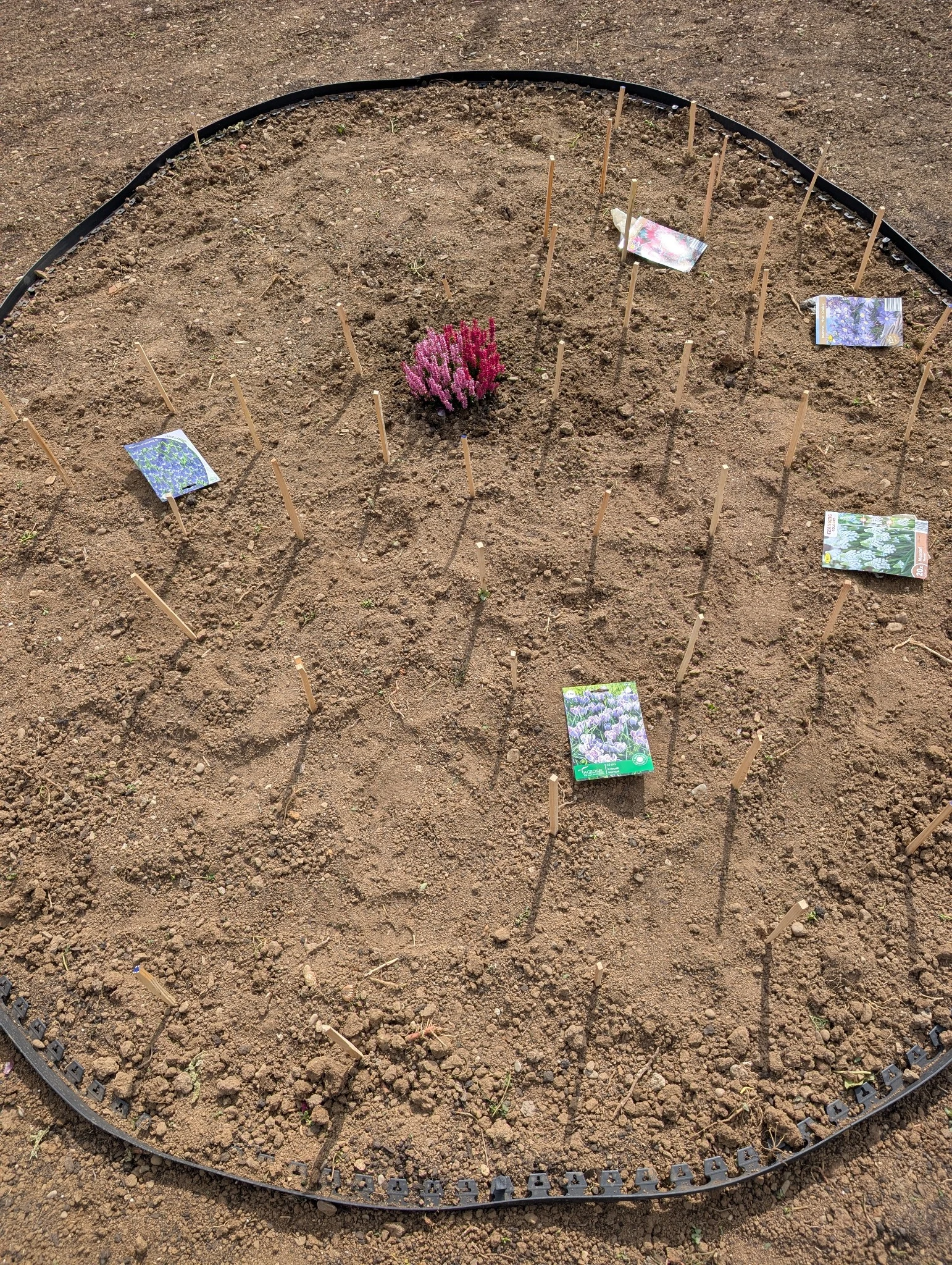
- Or, do it directly in the garden and mark out sections using small lawn edging or simple rope.
Before you start mapping the garden layout, it’s essential to observe the sun orientation—meaning you need to identify which areas receive the most sunlight during the day. Some plants are very sensitive to heat, so make sure your plan matches their light and temperature needs.
After ordering everything and finalizing the layout, we continued with the soil preparation, which included:
- Clearing weeds and debris;
- Marking future garden beds and preparing them for planting;
- Adding compost or organic fertilizers to enrich the soil and boost fertility before winter.
These early autumn garden tasks will make a huge difference in the health of your garden and ensure that your plants have strong, nutrient-rich soil to grow in next spring. 🌾
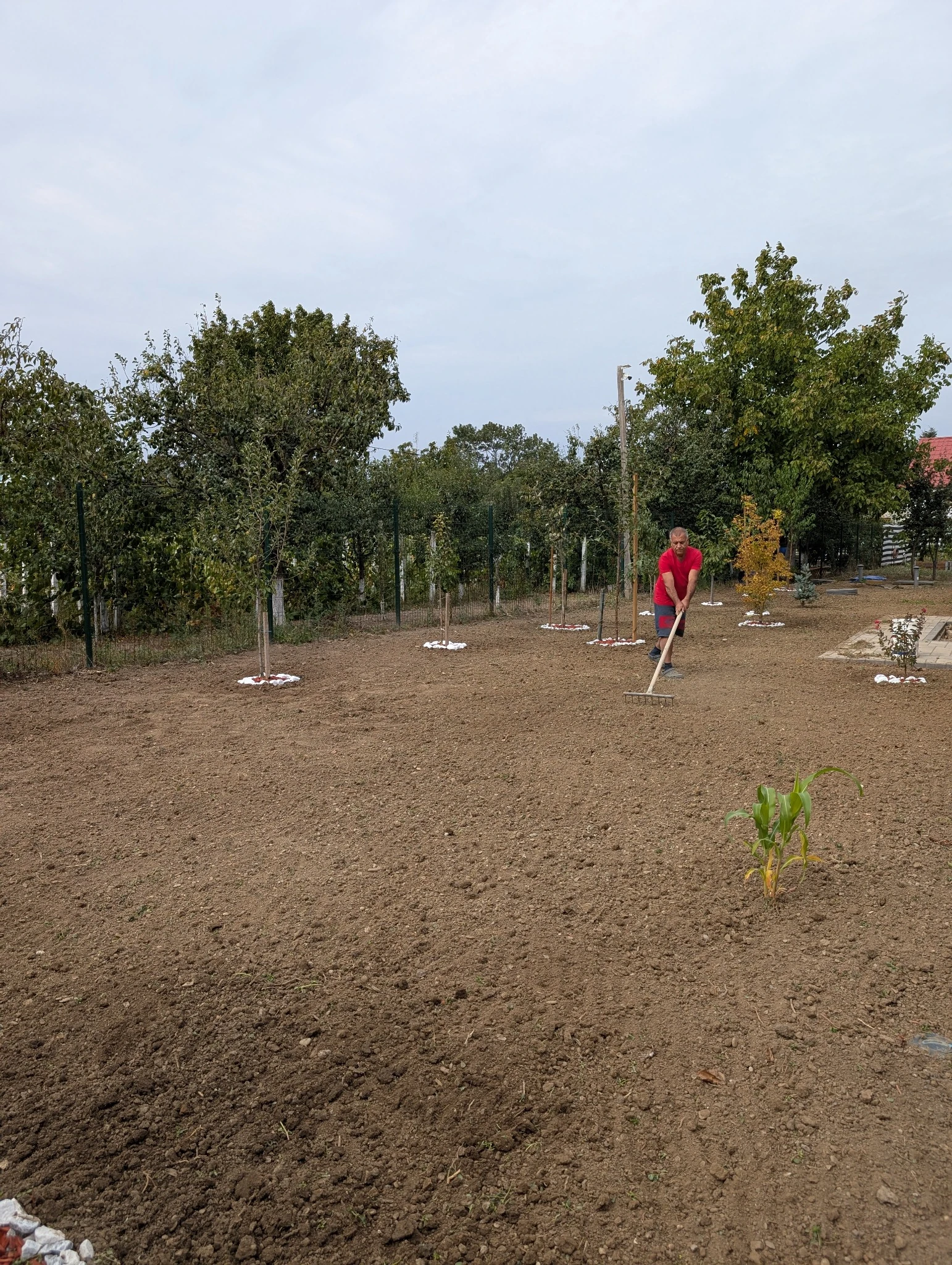
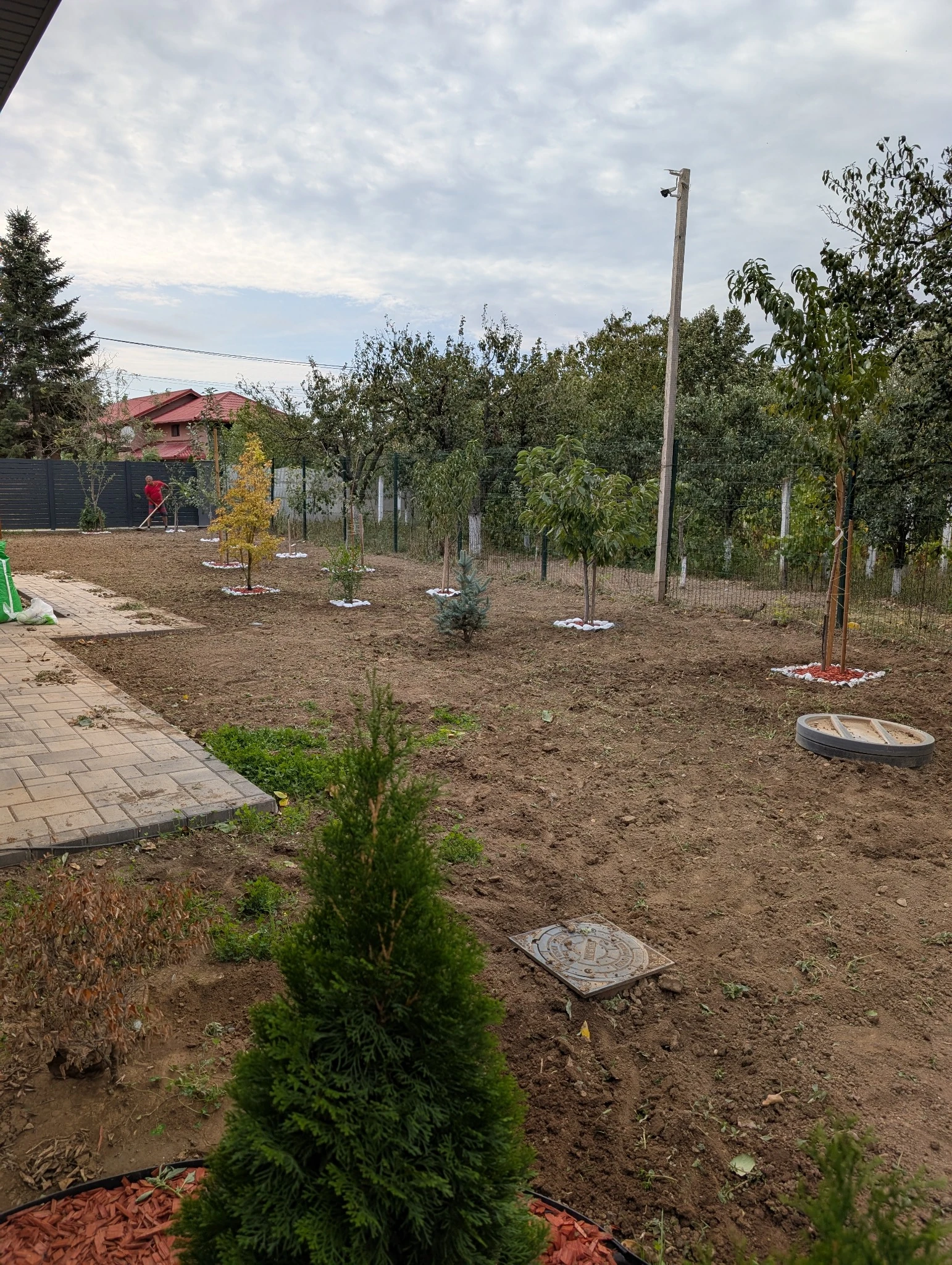
Plant Clover for a Luxurious Green Courtyard
We’ve always dreamed of having a lush, green courtyard filled with flowers, bees, and butterflies. When deciding between clover and lawn grass, we thought long and hard — and eventually realized that clover was the perfect choice for our needs and gardening goals.
You can read more about why we chose clover instead of a traditional lawn in my upcoming article on how to build your dream garden as a beginner. Don’t forget to subscribe to my cozy list so you won’t miss it when it goes live!
The best time to plant clover is during autumn or spring. Because we made a few mistakes the first time we tried sowing it, we decided to plant only half of our courtyard in fall and finish the rest the following spring.
Clover is ideal for autumn garden tasks because it protects the soil and brings new life into the ground before winter sets in. It’s a natural way to enrich the soil while keeping your yard green and full of life.
After planting the seeds (which is a process on its own — I’ll share all the details in the guide I mentioned above), you’ll need to water frequently for the first few days and weeks. Thankfully, the cool fall weather and steady rain helped us a lot — we planted right before several rainy days, which kept the soil perfectly moist.
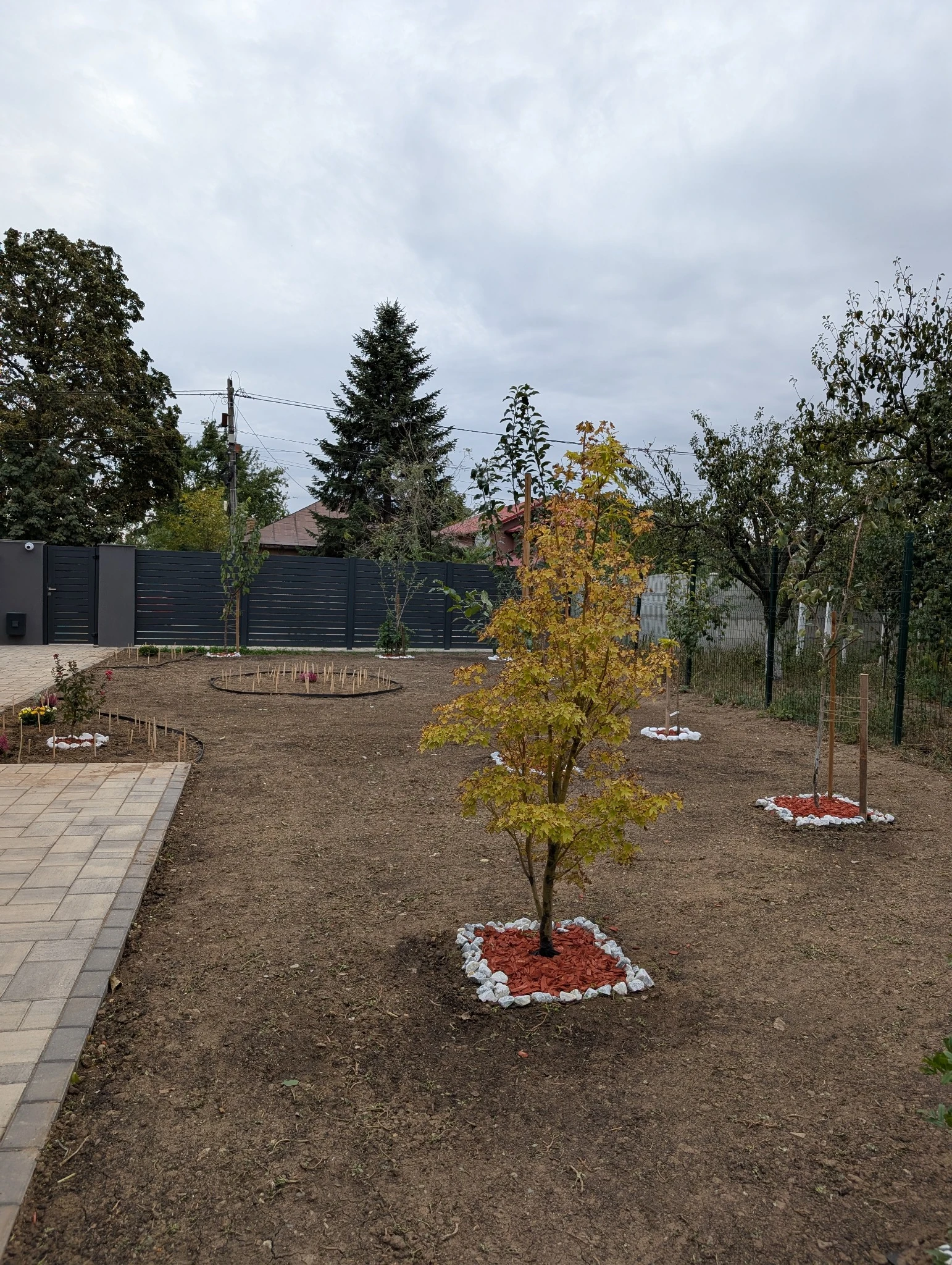
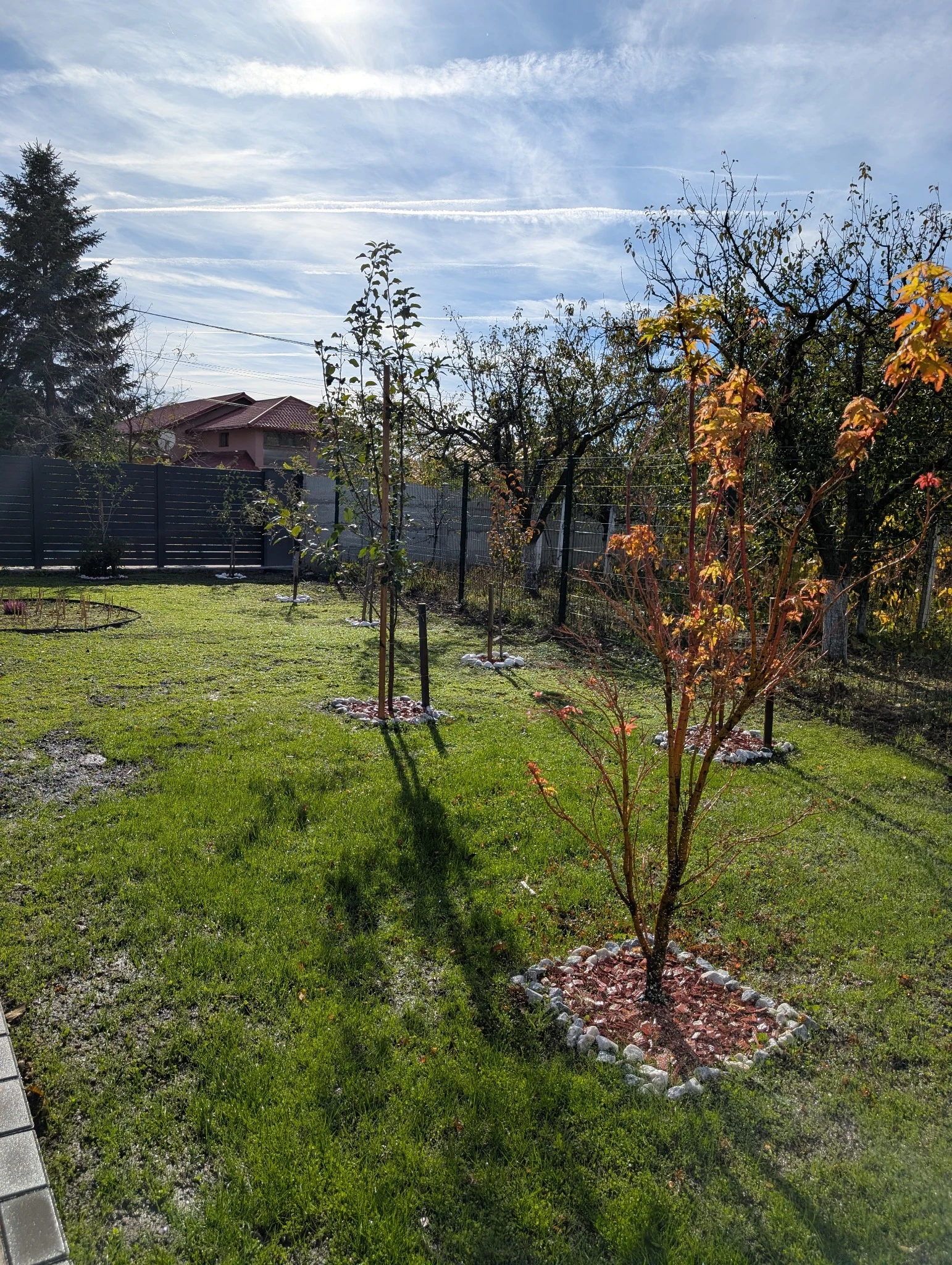
You can see in the before-and-after photos below how beautifully green our courtyard became in just a few weeks. It felt almost magical to watch this vibrant carpet of greenery slowly cover the ground and transform our space. 🍀
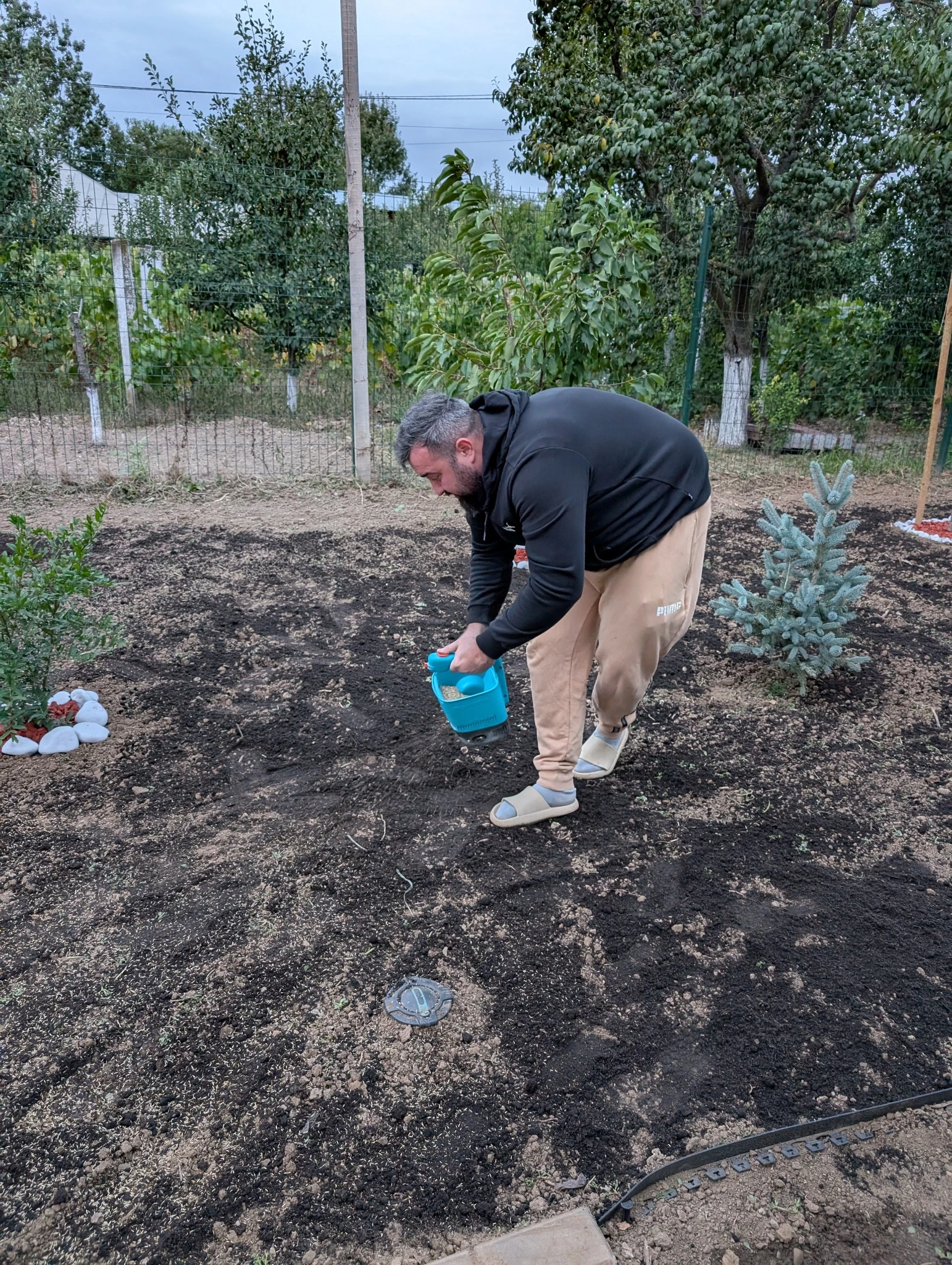
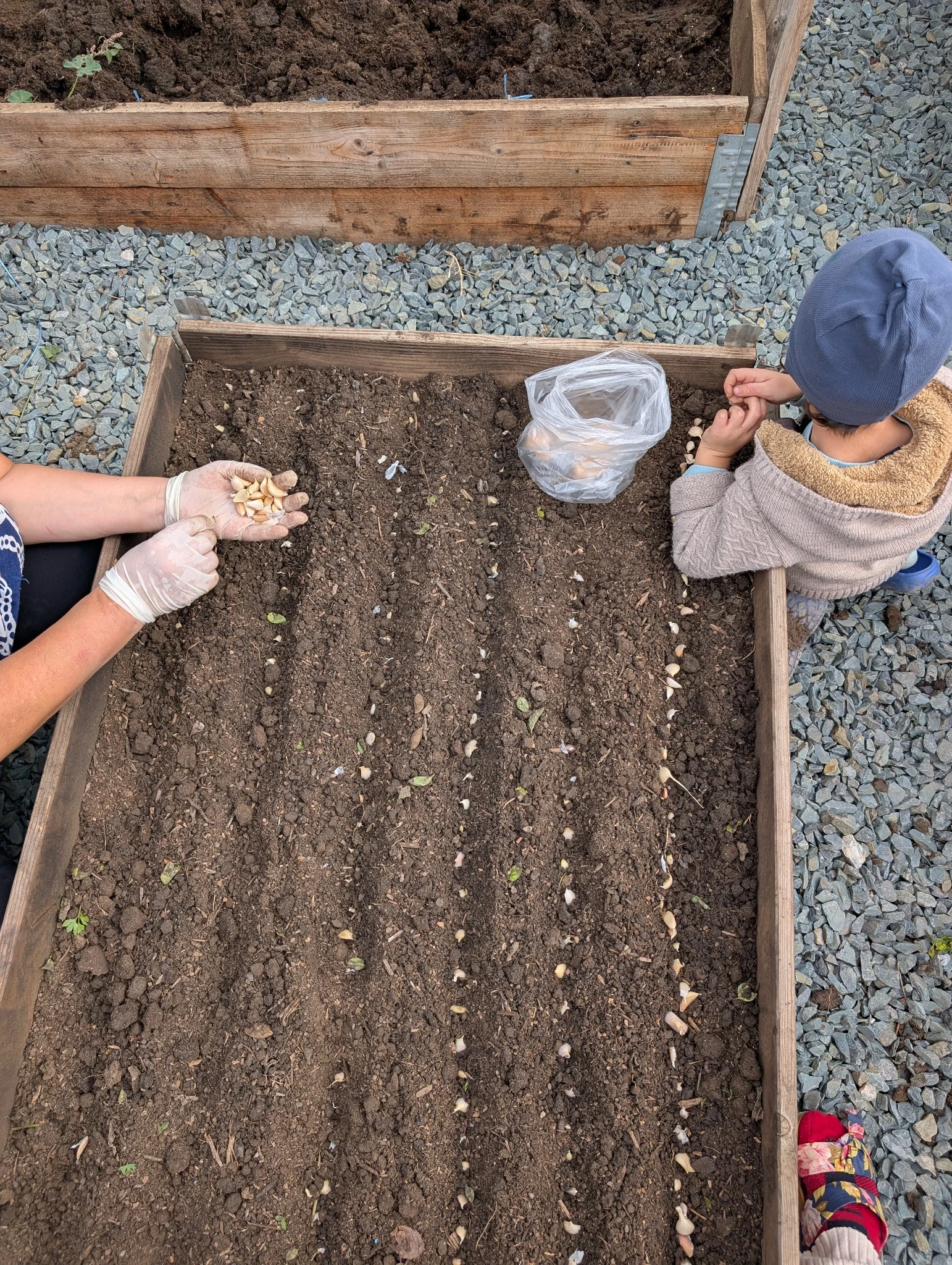
Planting Garlic and Onions for an Early Harvest
If there are two vegetables we use constantly in our cooking, they are garlic and onions. To enjoy an early harvest of green onions and fresh garlic next year, it’s best to plant the bulbs in fall, the year before.
That’s why we made planting garlic and onions one of our key autumn garden tasks. There’s something deeply satisfying about planning and planting your own food, especially when you’re a beginner gardener learning through experience.
Watching those first green shoots appear in early spring is a small but powerful reminder of how rewarding fall garden planning can be. 🌱

Adding Fruit Trees and Berry Bushes
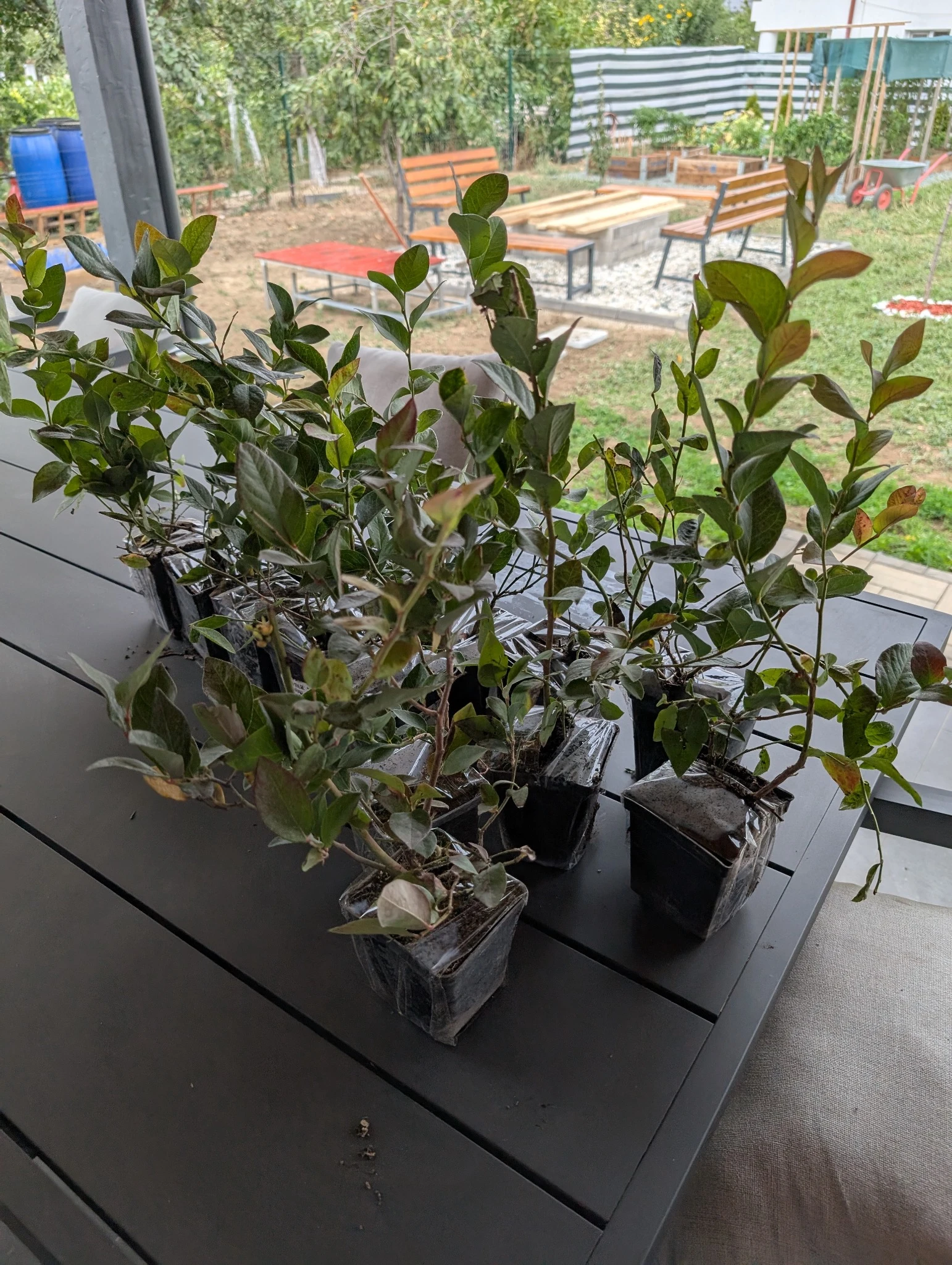
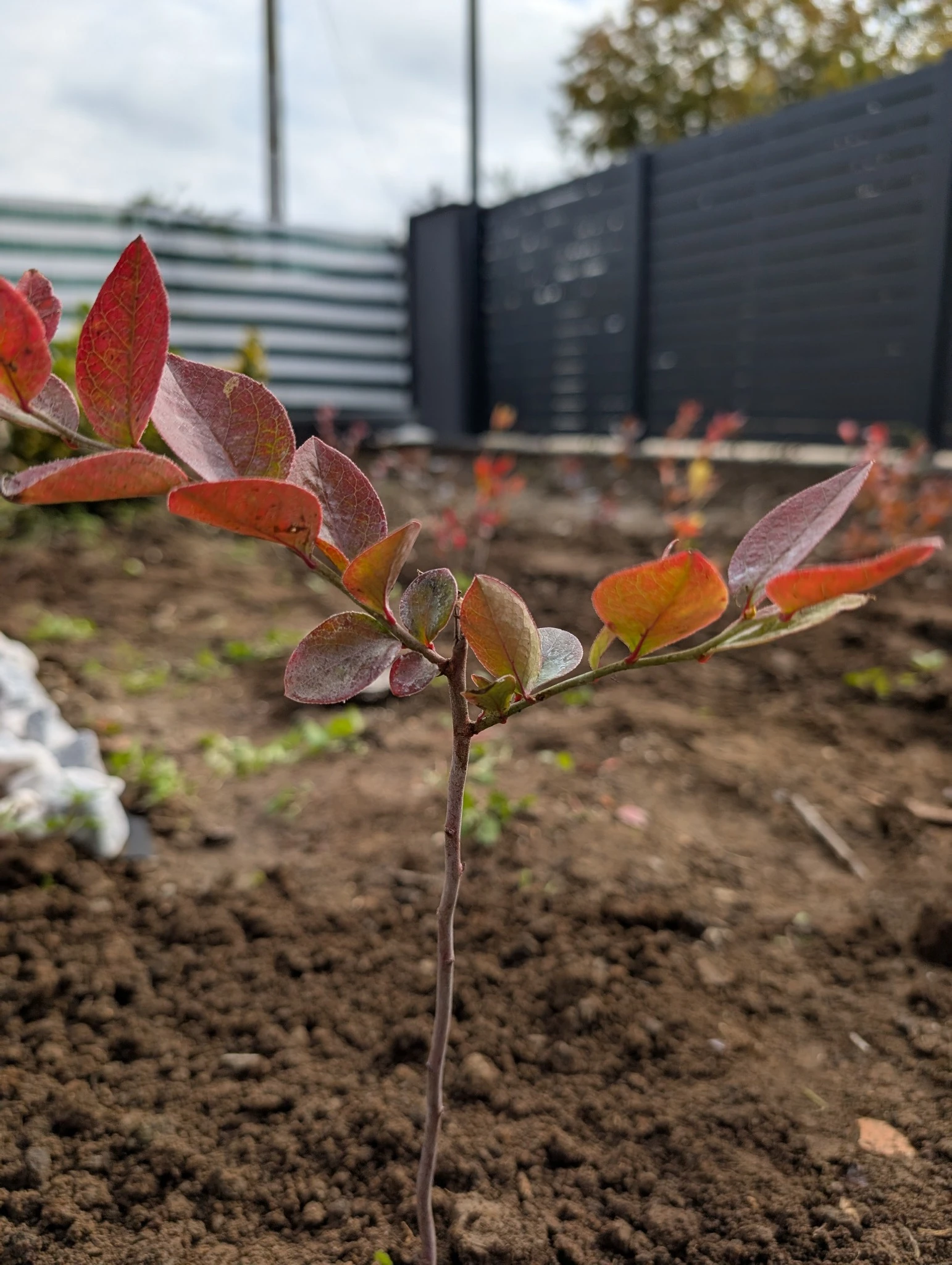
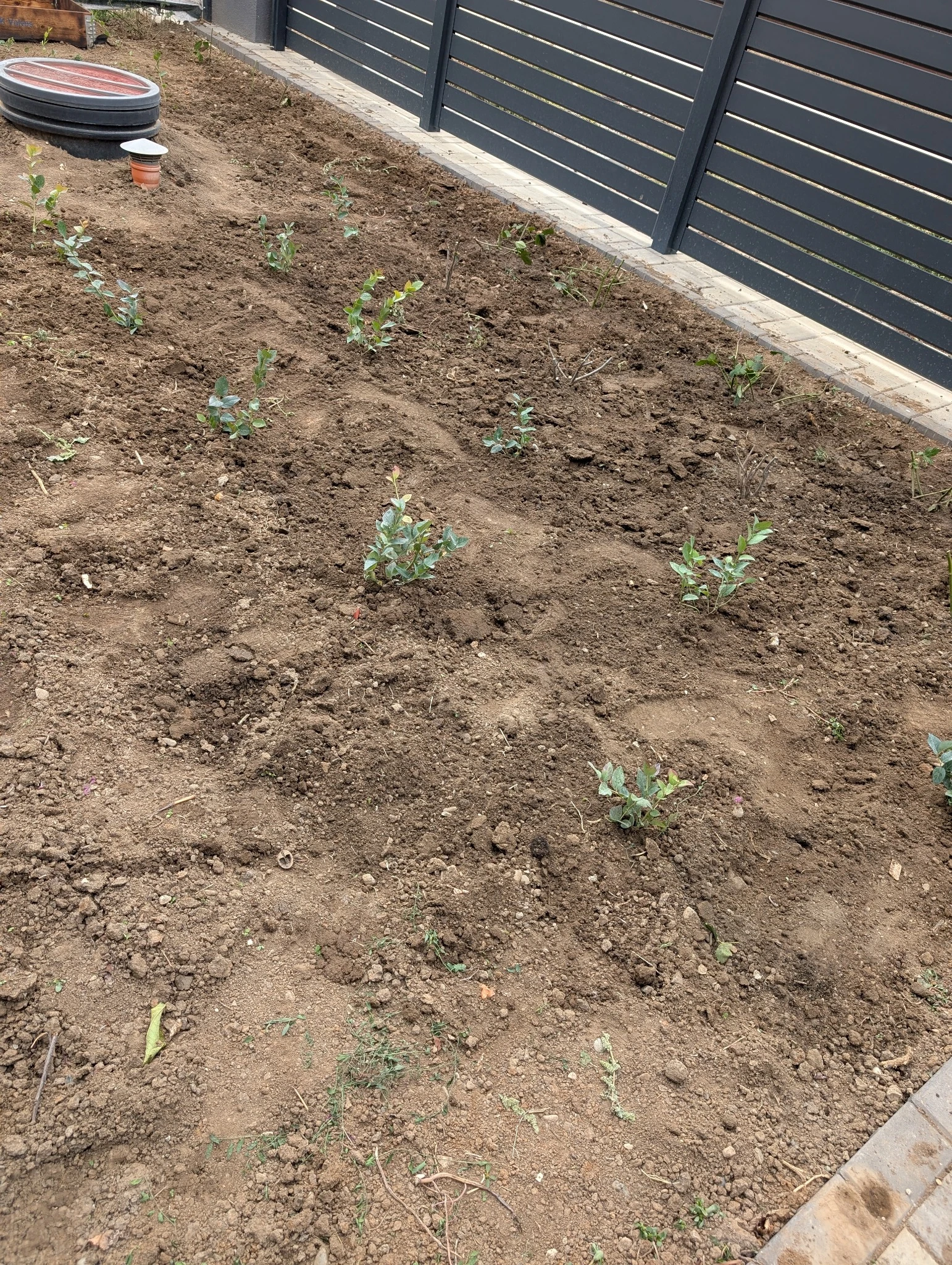
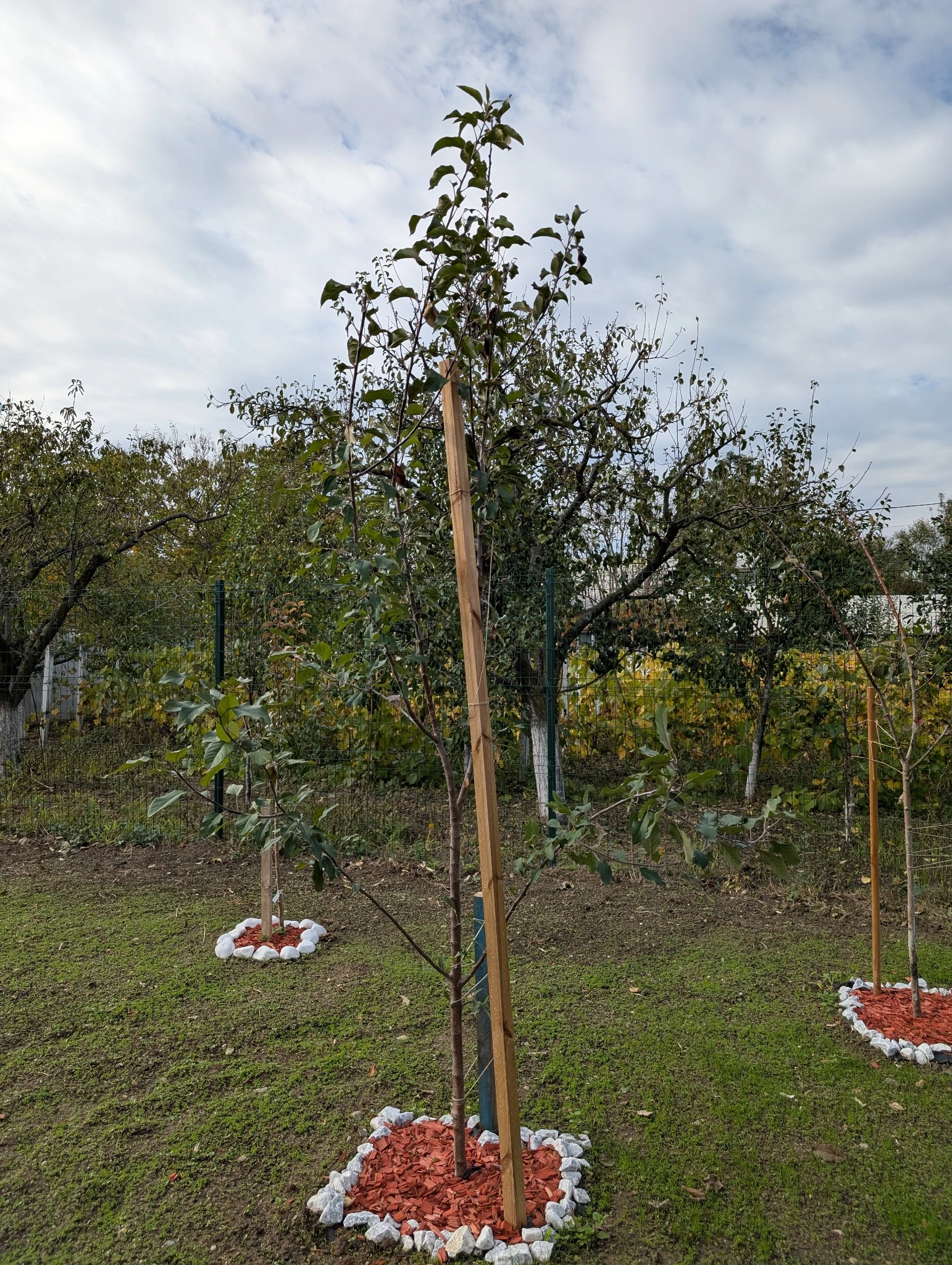
When it comes to fruit trees and berry bushes, the best time to plant them is during fall. The cooler temperatures and regular autumn rains help the roots settle and grow strong before the winter frost arrives.
Keep in mind that fruit trees and berries don’t produce harvests in their first year. It all depends on your budget, but by planting them in fall, you actually gain a year in their growth cycle—a smart move for any beginner gardener planning long-term.
Of course, you can buy older, more mature seedlings, but they tend to be more expensive and often struggle to establish strong roots after transplanting.
Another useful tip: when you plant fruit trees and berry bushes in autumn, you’ll have the chance to see which ones successfully take root by spring. This way, you can replace any that didn’t survive during the next planting season.
So, make sure to include planting fruit trees and berry bushes on your list of essential autumn garden tasks — it’s one of the most rewarding steps in building a thriving, long-term garden. 🌳🍓


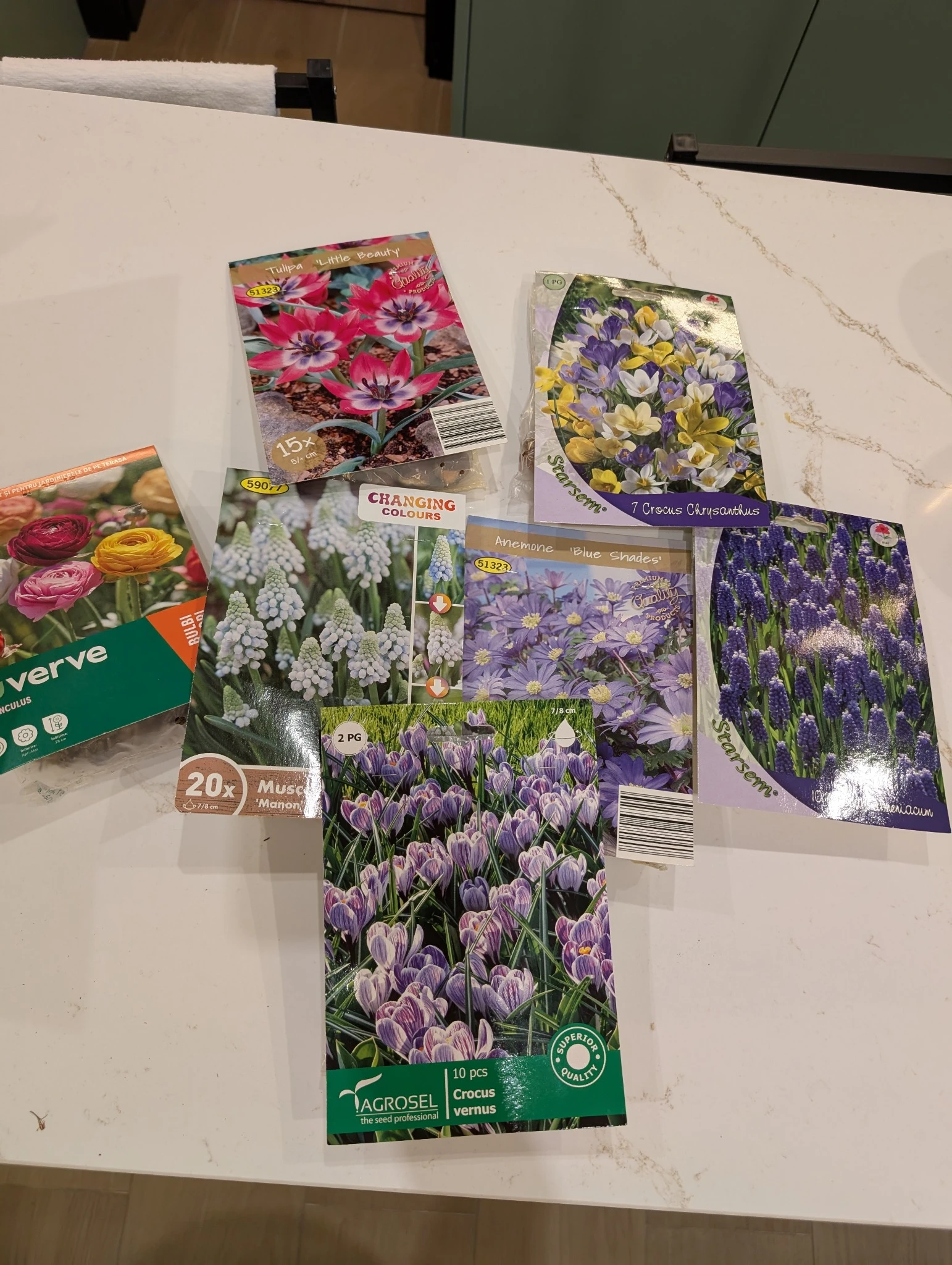
Planting Spring Bulbs for a Cozy Bloom and Other Green Bushes
Who doesn’t love seeing their garden bursting with beautiful blossoms and colorful flowers as soon as spring begins?
If that sounds like your dream too, then planting spring bulbs during fall should definitely be on your autumn garden tasks list. 🌸
This year, we decided to plant: [list of bulbs to be added here] — each one chosen to bring a different touch of color and warmth to our countryside garden.
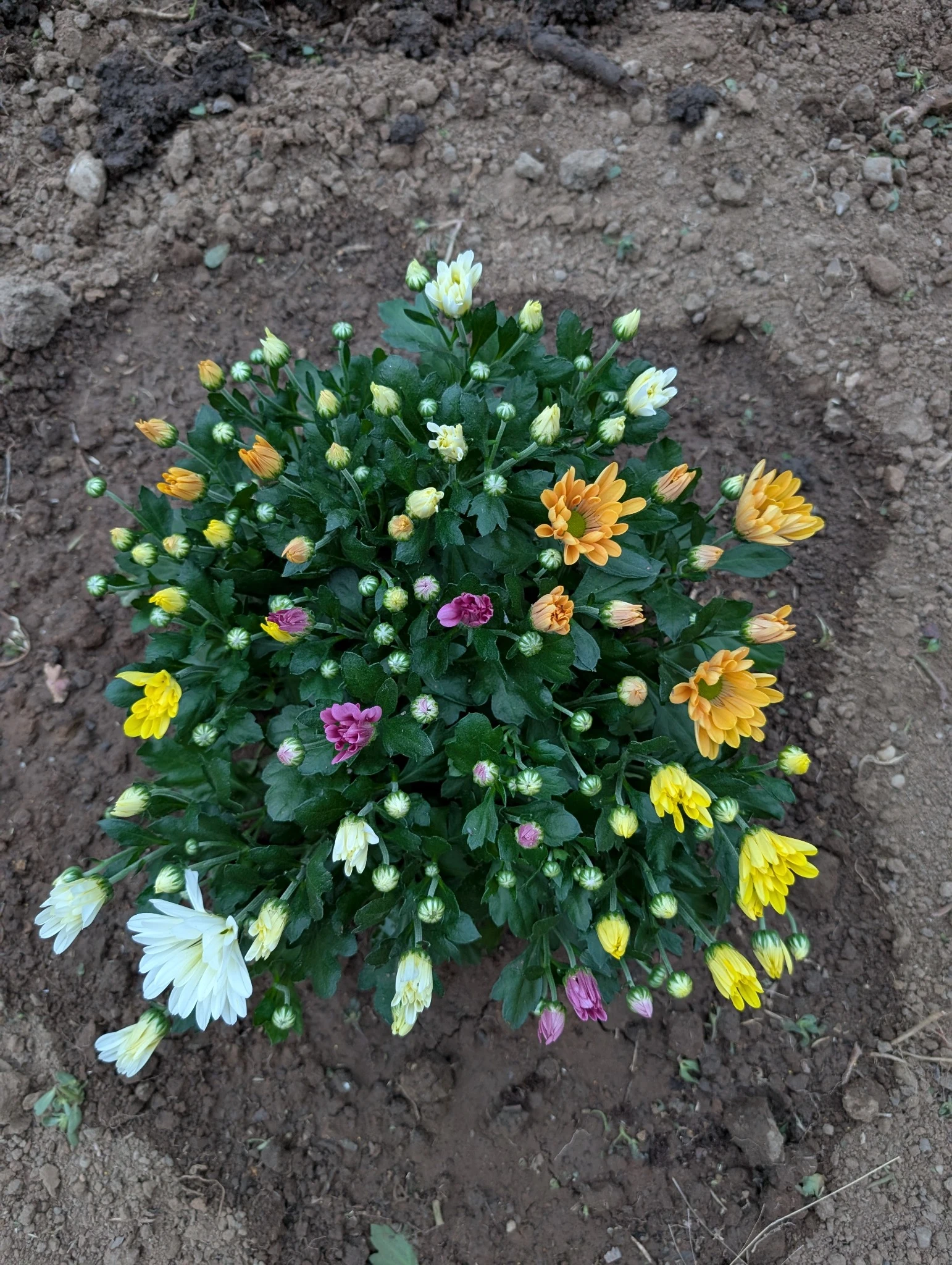
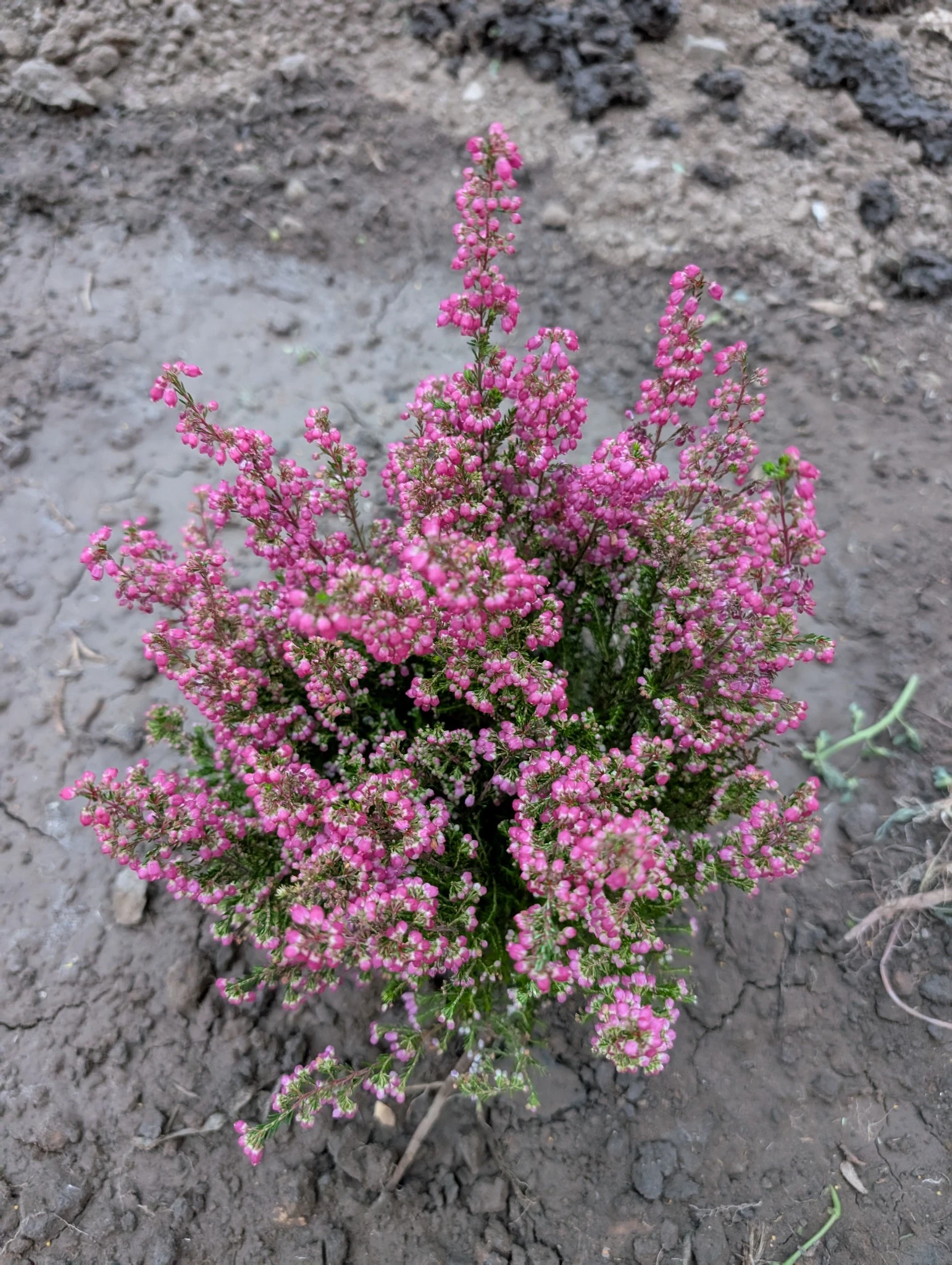
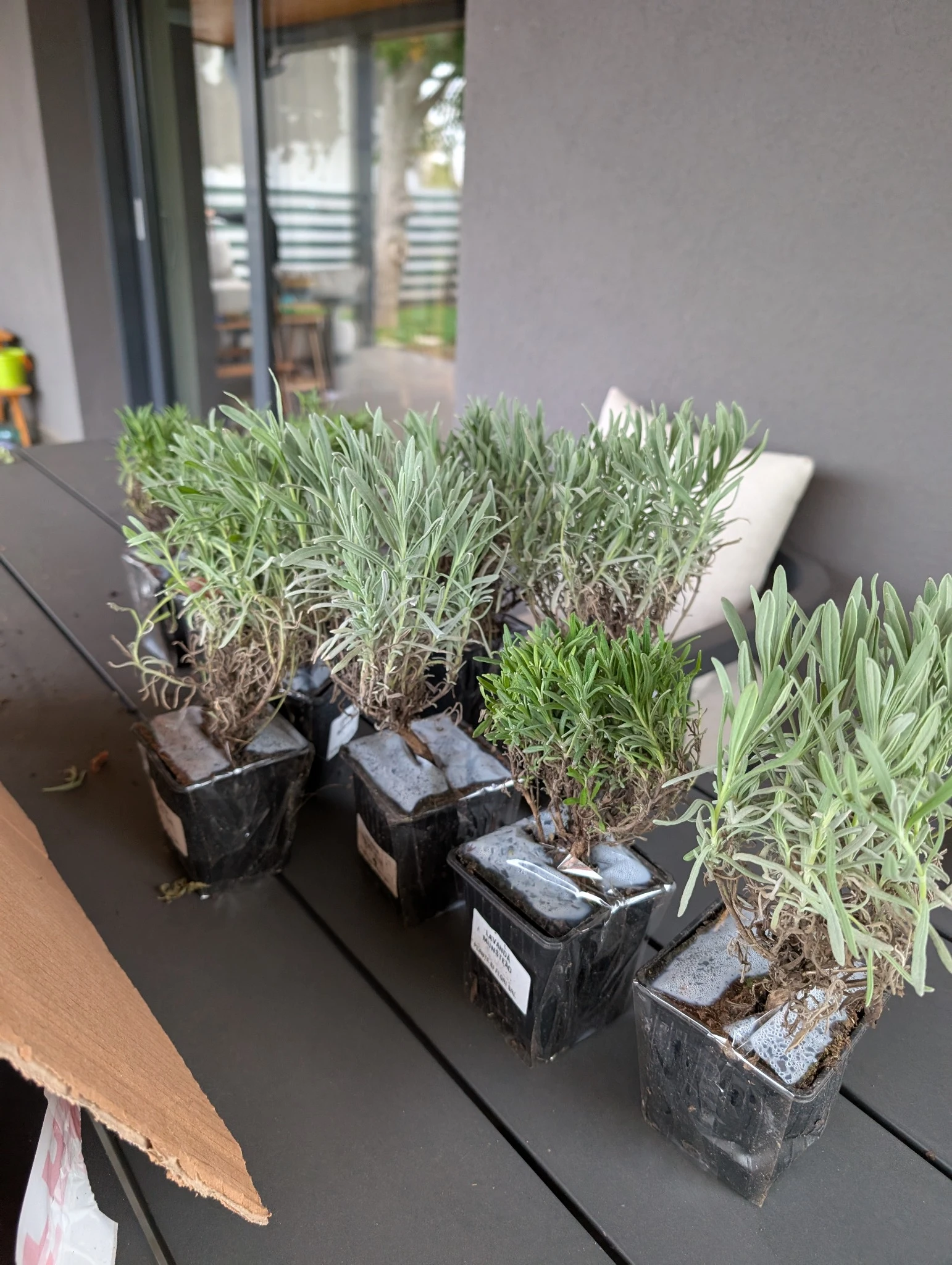
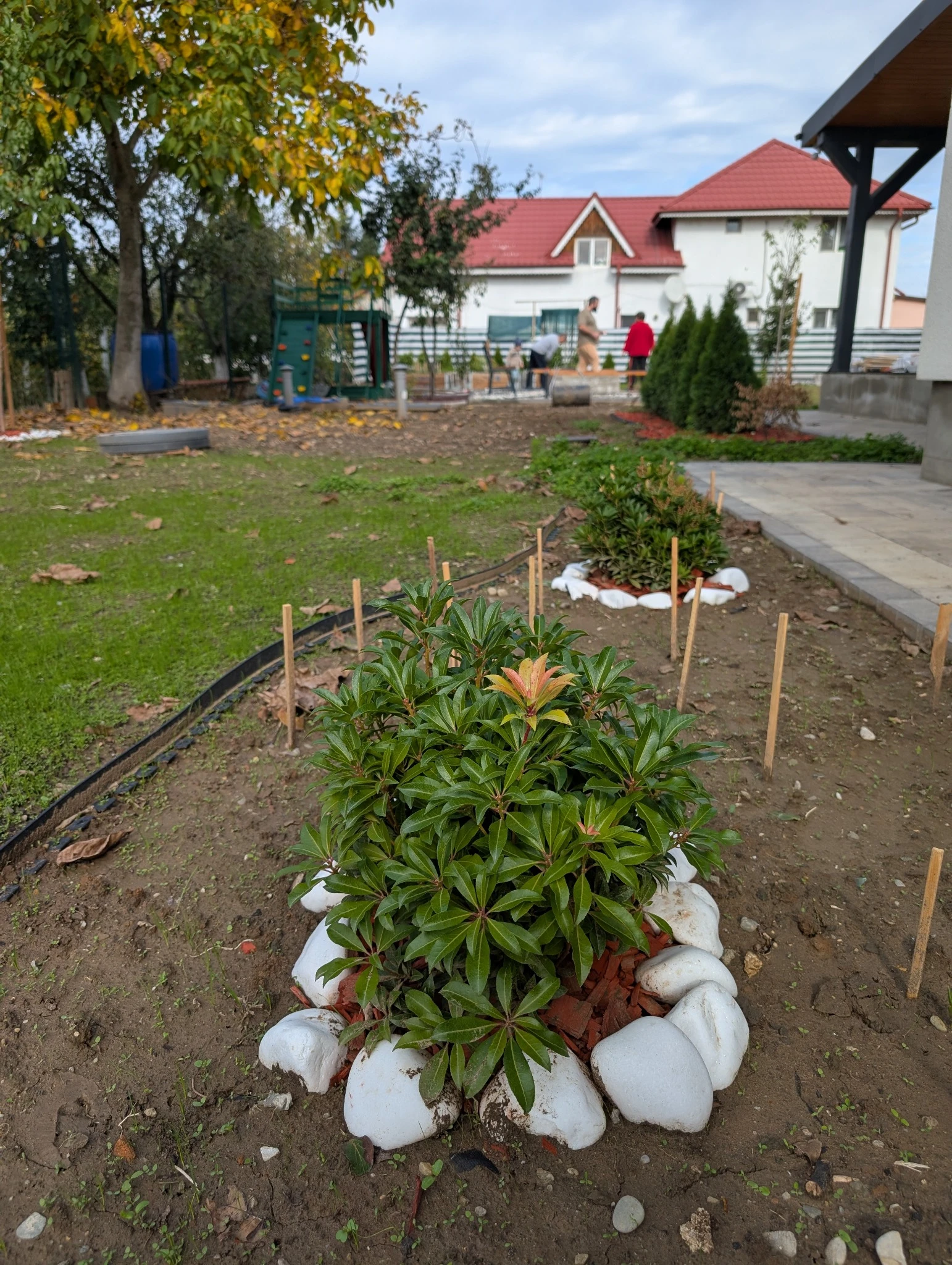
When it comes to green bushes, we also decided to plant lavender and a few ornamental shrubs to add more definition, structure, and year-round greenery to our yard.
I honestly can’t wait to see how next spring will welcome us with color after a long, quiet winter. There’s something so heartwarming about watching nature slowly come back to life after three months of cold, crisp air.
The trees will blossom, the bulbs will turn into vibrant, cozy blooms, and the whole garden will feel magical — I can already imagine it. ✨🌷
Building and Fixing Things Before Winter
We had many things planned for our courtyard and garden after moving in, and we managed to complete most of them — but the summer heatwaves really limited how much time we could safely spend outside.
For example, it took us weeks to install the irrigation system (our very first DIY project — more about that in another article). With friendlier weather, we could have finished it in just a week.
So, we decided to postpone some projects until fall. Autumn is the perfect time for light outdoor work before the ground freezes. You can build fences, raised beds, compost bins, or even small play areas for kids.
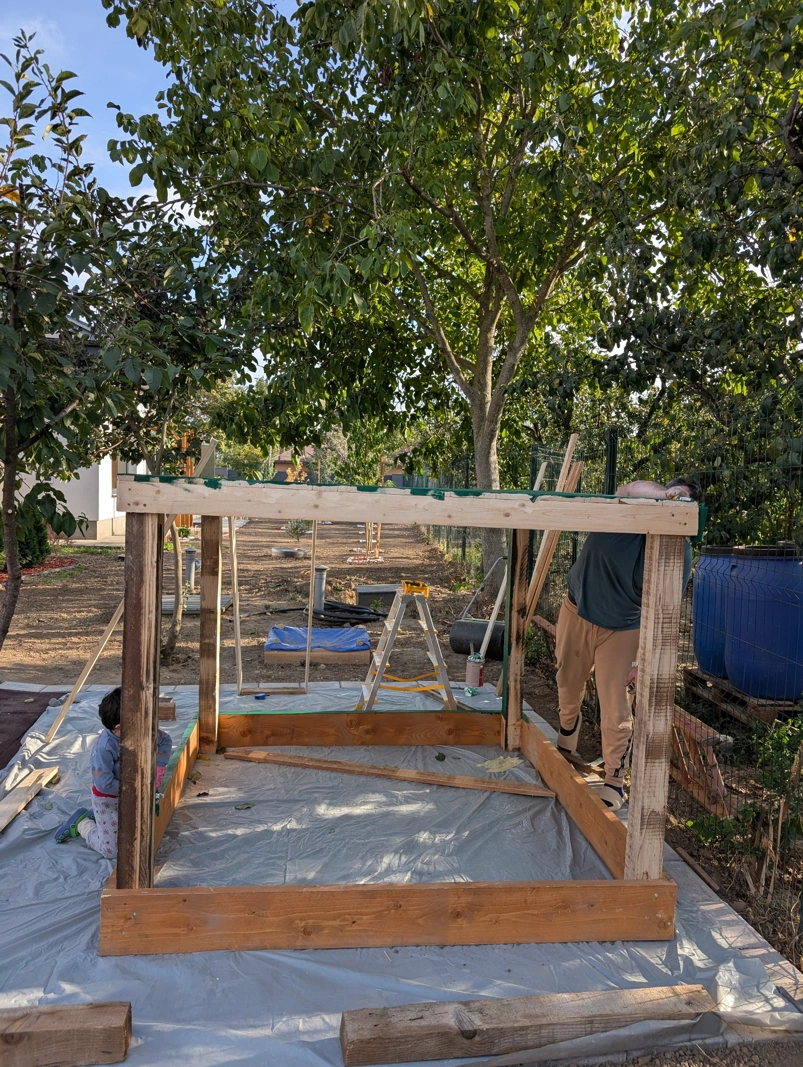
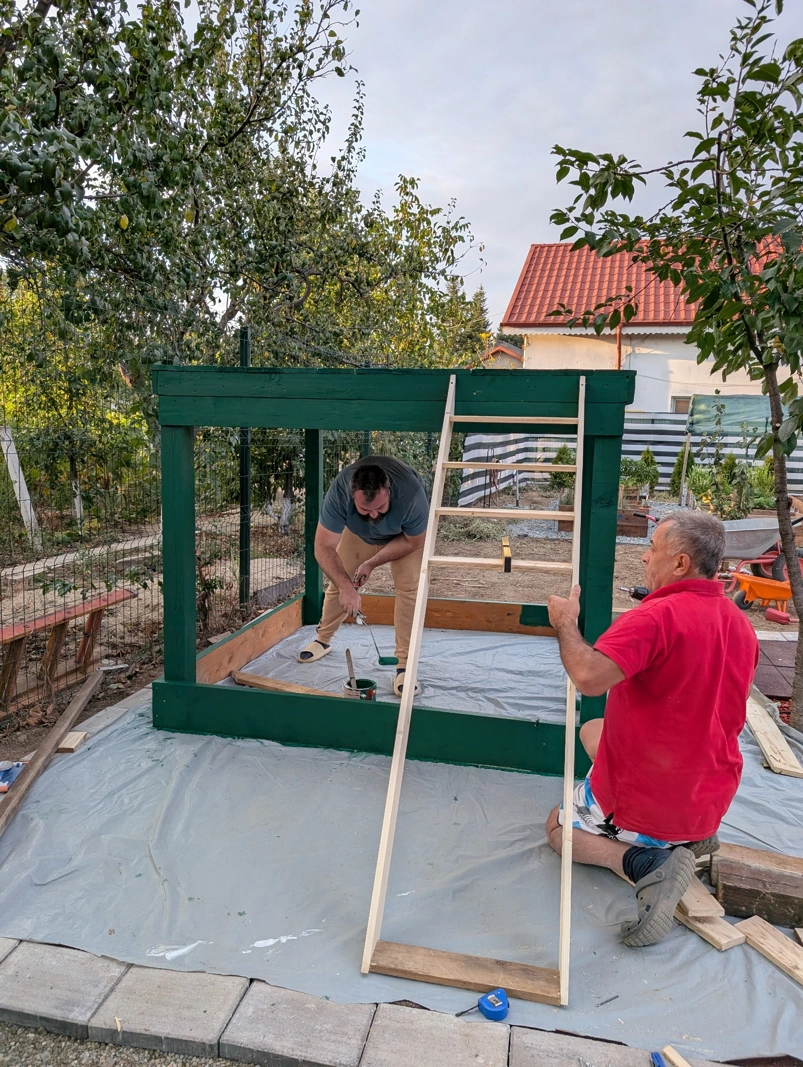
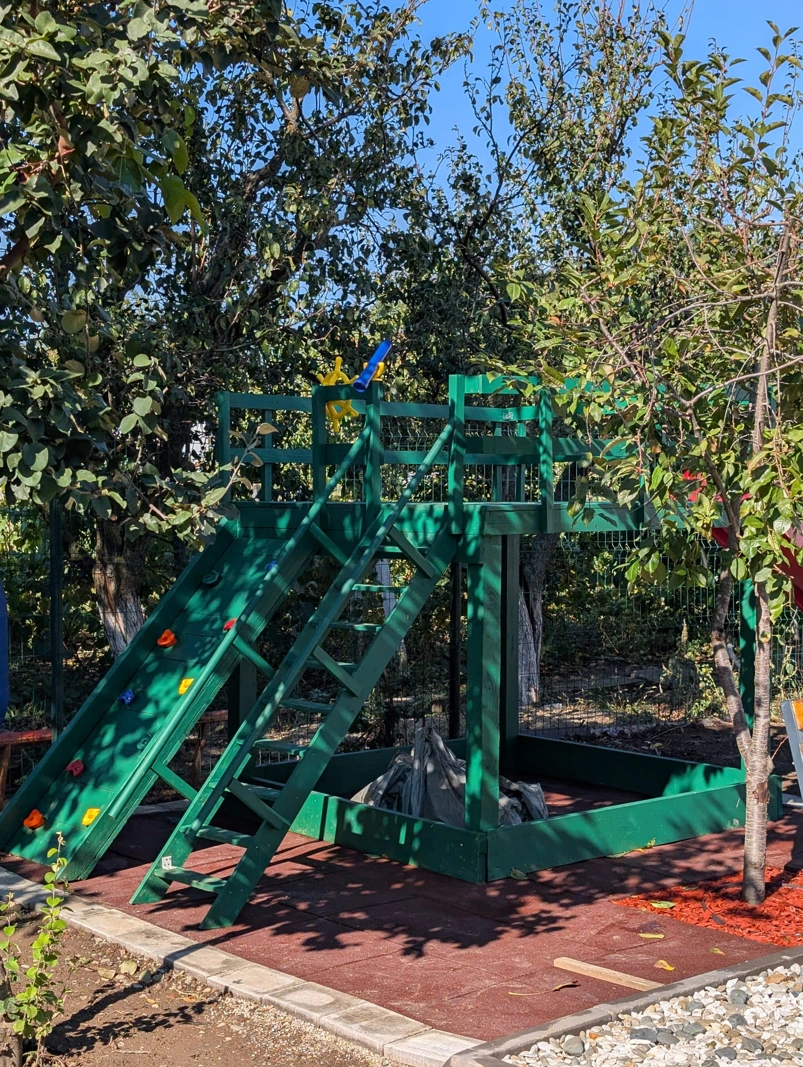
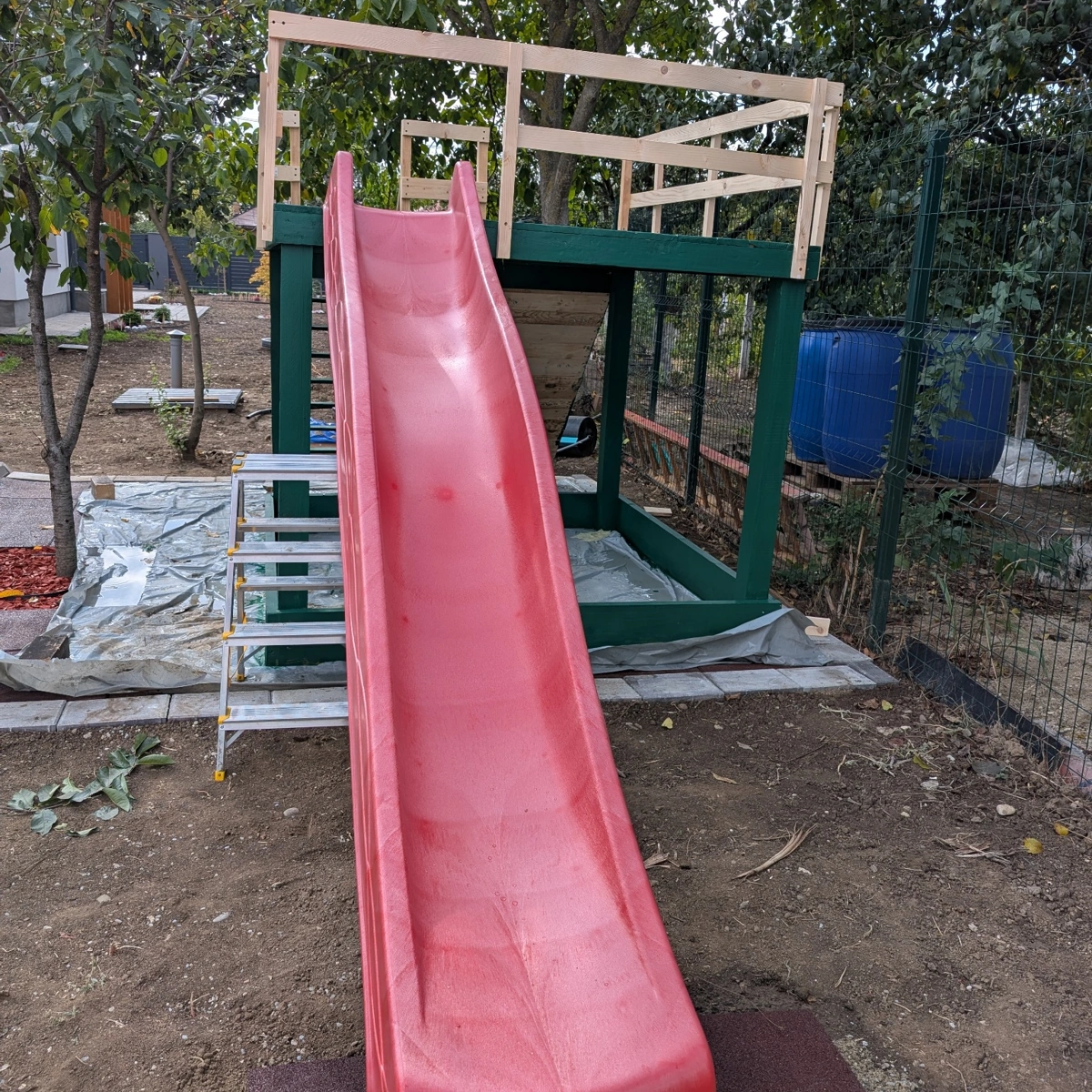
This fall, we focused on preparing the raised beds for spring planting, setting up our compost bin, and starting the playground for our toddler.
The playground turned into another fun DIY project that we enjoyed building together — and even got our little one involved! We used recycled wood from our house construction and purchased only the remaining materials we needed.
If you find something inspiring from this list, I suggest you add it to your own autumn garden tasks and enjoy the cozy satisfaction of creating something with your own hands before winter arrives. 🪚🌾
What Not to Worry About (Yet)
I know this list of autumn garden tasks might seem long and overwhelming at first — but trust me, it really isn’t. We managed to accomplish everything over just a few long weekends spread across two months.
As a beginner gardener, I encourage you not to overdo it. Don’t stress about completing every idea or project right from the start. In your first year, you don’t need fancy tools, irrigation systems, or advanced gardening tricks.
If you’re anything like us, you probably have lots of ideas and plans for your dream garden — but I’m here to tell you that you don’t need to do everything at once.
When you’re just starting out, you’ll naturally make mistakes or want to adjust things along the way, so my best advice is: don’t stress about creating the perfect layout.
Start small. Observe. See what works best for you and your family, and build slowly from there.
In my opinion, the first autumn is for learning how your garden breathes — discovering its rhythm, soil, light, and the quiet beauty that comes with each new season. 🌾🍁
Meanwhile I will let you admire our before and after planting the clover in our garden:
Looking Ahead to Spring
We felt so much satisfaction after completing all our autumn garden tasks during this first year of countryside living. It truly feels like we’ve embarked on a beautiful journey toward building our dreamy, cozy garden.
I can’t wait to see how our garden will evolve and transform season by season, year after year. Every effort we make in autumn will make spring gardening easier, smoother, and more rewarding.
Now that everything is done, we can finally rest, enjoy the quiet, and welcome winter and the holiday season with peace of mind.
By spring, the clover will be lush and green (it already is, but I imagine it will soon be full of tiny white flowers), the bulbs will bloom, and we’ll finally start to see our garden taking shape just as we imagined it. 🌱🌷
Final Thoughts
This first autumn wasn’t about perfection or checking off every single thing we had planned. It was about beginning — setting the foundation for our dream courtyard and learning through trial and error.
As I already mentioned, this year our autumn garden tasks were more about trying and discovering — about understanding how planting works and how things slowly come together when you put your heart into it. It wasn’t about creating the perfect garden or using fancy tools and skills.
It was about our family dream of building a garden together and learning along the way.
There are still so many things we want and need to do, so many ideas written on our vision board, and countless DIY projects waiting ahead — but everything will come in its own time.
I truly believe our garden will grow and evolve throughout the year, just as our skills and knowledge will.
If you’re standing in your new garden, unsure where to start — just pick one task and do it. By spring, you’ll feel the joy and satisfaction of seeing your beginner gardening efforts turn into visible results.
This article isn’t meant to be a strict checklist of everything you must accomplish during your first countryside autumn. It’s a piece of encouragement, inspiration, and a gentle reminder to start small and stay consistent.
I know that as a beginner, gardening can feel overwhelming — and it truly can be. There’s so much information online, so many techniques, styles, and ideas. But all you really need to do is choose what fits your goals and free time, and stick with it.
Start small — one autumn at a time — and build from there. 🌱
In the meantime, if you feel connected to our cozy countryside lifestyle, consider becoming a cozy subscriber. I promise to always keep things authentic and real.
I’ll share our successes, mistakes, and lessons honestly — because I believe it’s far more important to show the real journey than to promote a perfectly curated, unrealistic version of it. 🪴
Shop Our Favorite Autumn Garden Essentials
As I already mentioned, you don’t need fancy or expensive tools to start working in your garden. You can simply begin with basic, reliable utensils and, over time, figure out what additional tools you might need — and what fits your budget best.
No matter what you plan to buy later, I truly believe that having a beginner gardening toolkit is essential. These basic tools will serve you well in every season, not just for your autumn garden tasks.
Here’s a list of my favorite autumn garden essentials — the tools we personally used to complete our first cozy season of countryside gardening: